
Custom iOS Applications for Enterprise Digital Transformation

Most digital transformation initiatives die quietly in a slide deck. A consultant presents an ambitious roadmap, leadership nods along enthusiastically, budget gets approved, and then months later, very little has actually changed in how frontline employees or customers experience the business day to day. This gap between strategic ambition and lived reality is one of the most common and most expensive failures in enterprise technology, and it usually happens because transformation efforts focus too heavily on backend systems and internal dashboards while completely underestimating how much genuine change depends on the mobile experience employees and customers interact with directly, every single day.
For enterprises that have built their operations around Apple devices, whether due to security standards, hardware reliability, or simple organizational preference, a well-executed iOS strategy often becomes the single most visible proof that digital transformation is actually happening rather than just being discussed in quarterly meetings. When a field technician can complete an entire job order from an iPhone without returning to the office, or a store manager can access real-time inventory data from an iPad without waiting for a nightly report, transformation stops being an abstract concept and becomes something employees genuinely experience and appreciate in their daily work.
Why Transformation Stalls Without a Strong Mobile Layer
Enterprise transformation efforts frequently invest heavily in upgrading backend infrastructure, cloud migration, and data analytics platforms, all of which matter enormously, but often overlook that these improvements only translate into real business value once employees and customers can actually access and act on them easily. A brilliant new data pipeline feeding beautifully organized information into a system nobody can conveniently access from the field or the sales floor delivers far less value than a modest improvement that's actually usable in the moment decisions need to get made. This disconnect between backend sophistication and frontline usability quietly undermines countless otherwise well-funded transformation programs.
This is exactly why thoughtful mobile strategy deserves a seat at the table from the earliest planning stages of any transformation initiative rather than being treated as an implementation detail handled after the "real" strategic work is finished. Partnering with an experienced iOS app development company early in this process ensures that mobile execution gets designed alongside broader system upgrades rather than bolted on afterward as an afterthought, which tends to produce a far more coherent, genuinely usable end result across the entire organization.
- Backend improvements only create value once they're actually accessible to users
- Mobile strategy deserves early involvement, not late-stage implementation attention
- Disconnected planning between backend and mobile layers undermines transformation efforts
- Coherent, unified planning produces significantly more usable end results
Making the Case for Purpose-Built Applications
Enterprises undergoing genuine transformation rarely find that a generic, templated app adequately serves their needs, since transformation efforts typically involve reshaping unique internal workflows, legacy data structures, and specific compliance requirements that a one-size-fits-all product was never designed to accommodate. Businesses that try to force this kind of significant organizational change into rigid, pre-built software frequently end up with awkward workarounds and frustrated employees who quietly revert to old manual processes because the "new" system doesn't actually match how work genuinely gets done within their organization.
This is where investing in dedicated iOS app development services proves its worth, building applications shaped precisely around a business's actual transformation goals rather than forcing operations to conform to someone else's generic assumptions about enterprise workflows. Custom-built solutions can evolve alongside a transformation initiative as priorities shift, new departments get brought into the rollout, or unexpected operational challenges surface partway through implementation, offering a level of adaptability that purchased, off-the-shelf software simply cannot match once deployed.
- Generic templates rarely accommodate unique transformation-specific workflows
- Rigid software often gets quietly abandoned in favor of old manual processes
- Custom applications adapt more easily as transformation priorities evolve
- Purpose-built solutions match actual organizational needs more precisely over time
Sequencing a Transformation Rollout the Right Way
One of the more underappreciated aspects of a successful enterprise transformation involves the order in which changes actually get introduced across the organization, since attempting to roll out a completely new mobile system to every department simultaneously often overwhelms both the technology infrastructure and the employees expected to adapt to it all at once. Smarter transformation programs typically start with a single department or a specific, well-defined use case, gathering real feedback and measurable results before expanding the rollout further across the broader organization based on genuine lessons learned rather than assumptions made in the initial planning phase.
Working with a capable iOS application development company that understands this phased approach helps enterprises avoid the common trap of an ambitious, all-at-once rollout that generates confusion, resistance, and costly early mistakes that could have been caught and corrected during a smaller initial deployment. This measured approach also gives leadership genuine, credible data to point toward when building internal support for continuing the broader transformation effort across additional departments and use cases.
- All-at-once rollouts often overwhelm both infrastructure and employees
- Phased deployment allows genuine lessons learned to inform later expansion
- Smaller initial rollouts catch costly mistakes before they scale organization-wide
- Credible early results build internal support for continuing broader transformation
Bringing In Talent That Understands Transformation, Not Just Code
Building the mobile layer of a genuine enterprise transformation requires developers who understand more than just Swift and Apple's development frameworks; it requires people who can grasp the broader organizational context, ask thoughtful questions about how a new feature might disrupt existing habits, and anticipate friction points that a purely technical perspective might easily overlook. This kind of contextual understanding matters enormously during transformation projects specifically, since the goal isn't simply to ship functional software but to genuinely change how people work in ways that stick well beyond the initial launch excitement.
For enterprises without this specific blend of expertise readily available internally, the smarter move is often choosing to Hire iOS App Developers through a specialized team experienced specifically in enterprise transformation contexts rather than general consumer app development. This approach brings developers to the table who've already navigated similar organizational change dynamics on previous projects, reducing the learning curve considerably compared to a team encountering these transformation-specific challenges for the very first time.
- Transformation projects require contextual understanding beyond pure technical skill
- Specialized developers anticipate organizational friction points more effectively
- Experienced teams reduce the learning curve compared to first-time transformation work
- The right talent focuses on lasting behavioral change, not just functional software
Designing for Adoption, Not Just Functionality
Even a technically excellent application built with genuinely good intentions can fail to drive real transformation if employees find it confusing, unintuitive, or simply more cumbersome than whatever informal workaround they were using before. This risk becomes particularly pronounced during transformation initiatives, since employees are often being asked to change established habits at the same time they're learning new software, creating a double burden that poor design can make considerably worse rather than helping ease the transition.
Thoughtful UI UX Design addresses this directly by prioritizing genuine simplicity and familiarity, reducing the cognitive load placed on employees who are already navigating significant organizational change simultaneously. This means conducting real research with the actual people who'll use the application daily, testing prototypes before committing to full development, and designing interfaces that feel intuitive enough that adoption happens naturally rather than requiring extensive, repeated training sessions to overcome confusion and resistance.
- Poor design compounds the difficulty of simultaneous organizational change
- Genuine user research prevents design assumptions that hinder actual adoption
- Intuitive interfaces reduce dependence on extensive employee training
- Strong design directly determines whether transformation efforts genuinely stick
Extending Transformation Beyond the Apple Ecosystem
While many enterprises anchor their transformation strategy around Apple devices for security and consistency reasons, most organizations also need to account for employees or customers using Android devices, whether due to regional preferences, cost considerations in certain markets, or simply personal choice among a workforce not entirely standardized on a single device type. Building two entirely separate native applications for a transformation initiative already involving significant coordination and complexity can quickly become an unsustainable drain on both budget and timeline.
This is where bringing Flutter Developers into the broader project conversation offers genuine practical value, allowing certain transformation-related features to be built once and deployed across both iOS and Android without duplicating substantial development effort. This doesn't replace the need for dedicated native iOS work where performance or deep hardware integration genuinely matters, but it does give transformation programs meaningful flexibility in extending their reach without proportionally multiplying the associated cost and complexity.
- Cross-platform reach avoids duplicating development effort across two codebases
- Flutter offers practical flexibility for broader transformation program reach
- Native iOS remains valuable for performance-critical or hardware-specific features
- Blended strategies extend transformation impact without excessive added cost
Turning Strategy Into Something Employees Actually Feel
Genuine digital transformation isn't measured by how ambitious the original strategy document looked or how many slides the initial presentation contained; it's measured by whether employees and customers actually experience meaningfully improved, more efficient interactions with the business in their daily lives. Mobile applications, particularly well-designed iOS applications for enterprises built around Apple's ecosystem, often become the clearest, most tangible proof point that transformation efforts are producing real, felt change rather than remaining confined to boardroom conversations and internal reporting dashboards.
Business owners serious about transformation succeeding should treat their mobile strategy as a central pillar of the entire initiative from day one, choosing development partners who understand both the technical execution and the genuine organizational change dynamics involved, prioritizing thoughtful design, and sequencing rollout deliberately rather than rushing toward an ambitious, all-at-once launch. Approached this way, transformation stops being an expensive slide deck exercise and becomes something employees and customers genuinely notice, appreciate, and rely on every day.
Проверенные пользователи
Категории
Больше
The e-commerce industry has transformed the way people shop. Consumers can now compare products, read reviews, and make purchases from anywhere in the world with just a few clicks. While this presents enormous opportunities for businesses, it also creates intense competition. Launching an online store is only the first step—attracting customers and converting them into loyal buyers...

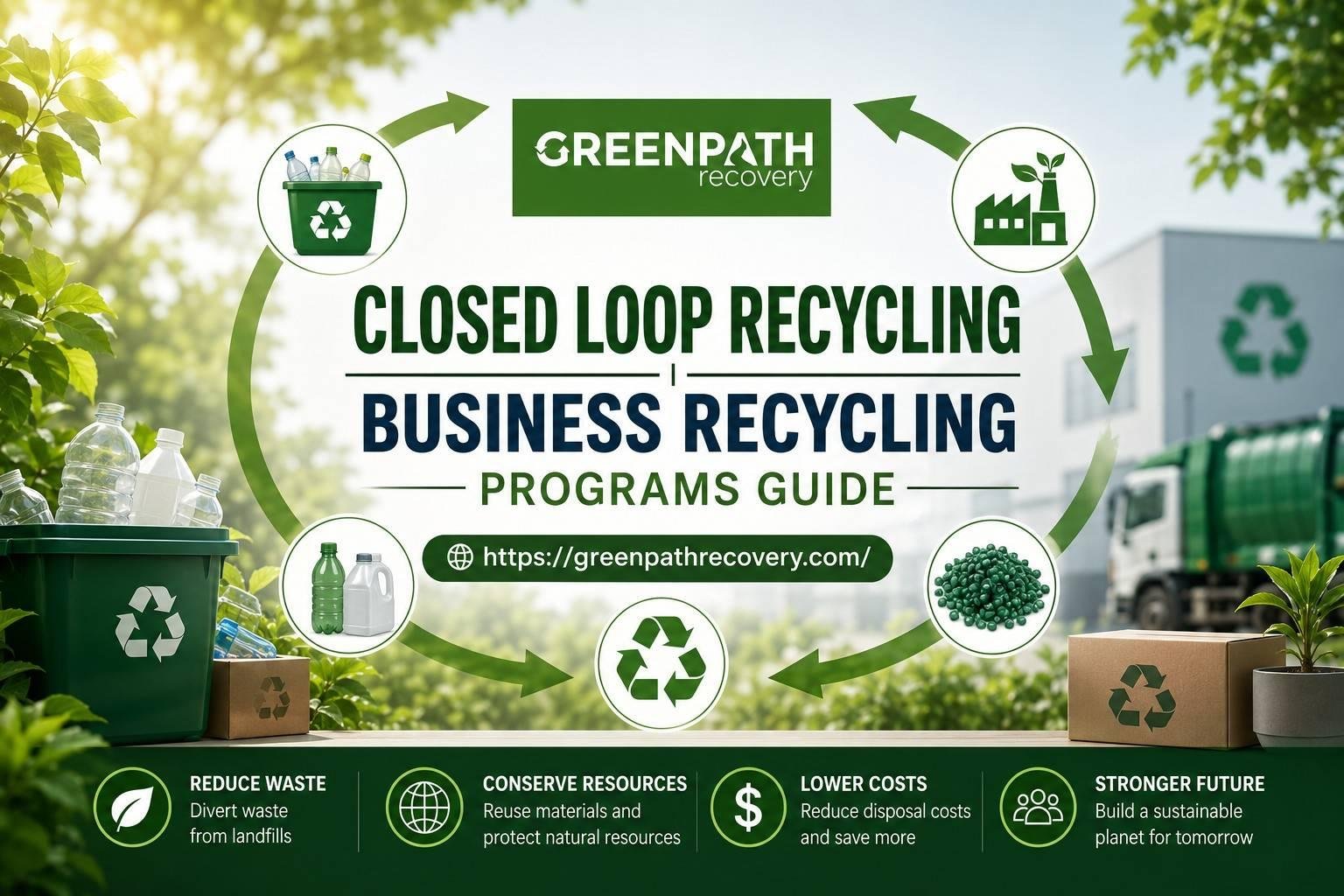
Sustainability is more than just a corporate responsibility. It is now a business plan. Companies across retail, manufacturing logistics, healthcare and even consumer items are implementing modern recycling methods to minimize the amount of waste generated, adhere to the environmental requirements, and boost the efficiency of their operations. A highly efficient strategy can be Closed...
Why Do You Need a Strategic Business Adviser? Running a modern company requires more than just passion; it demands a clear roadmap for digital presence and operational success. A skilled professional acts as a navigator in the complex waters of today's market, helping you move from a standard business model to a thriving enterprise. By focusing on your specific goals, they provide the clarity...

Travel is more than just visiting new places—it is about creating memories, experiencing different cultures, and enjoying every moment without worrying about planning. Whether you're dreaming of a peaceful mountain retreat, an exciting wildlife safari, a romantic honeymoon, or an international vacation, choosing the best travel company in India can make all the difference. With countless...

Filing taxes can be a daunting process for many individuals and business owners, but having clear guidance makes all the difference. If you’re searching for How to file an Income tax return, you’ve come to the right place to get practical tips and step-by-step insights. For a detailed breakdown which walks you through all the essential steps to file your returns accurately and on...