


What Are the Benefits of a Lawn Sprinkler Irrigation System for BC Homeowners?
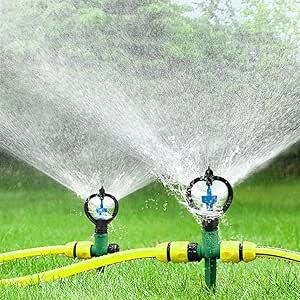
A healthy, green lawn doesn't happen by accident. Behind every well-maintained yard in British Columbia is a lawn sprinkler irrigation system working quietly to deliver the right amount of water at the right time. Whether you're a new homeowner or someone looking to upgrade an aging setup, understanding how these systems work can help you make smarter decisions for your property.
This guide covers everything you need to know about lawn sprinkler irrigation systems, from how they function to how to maintain them properly.
What Is a Lawn Sprinkler Irrigation System?
A lawn sprinkler irrigation system is an automated network of pipes, valves, and sprinkler heads designed to water your lawn efficiently without manual effort. Instead of dragging a hose around your yard, the system distributes water evenly across designated zones based on a programmed schedule.
Most systems are connected to a controller, which allows homeowners to set watering times, durations, and frequency depending on the season, soil type, and lawn size.
How Does a Lawn Sprinkler Irrigation System Work?
The system pulls water from your main water line and distributes it through underground pipes to various zones in your yard. Each zone has its own valve, allowing different areas to receive customized watering schedules based on sun exposure, plant type, or soil conditions.
Sensors can also be added to detect rainfall or soil moisture, preventing overwatering and helping conserve water — an increasingly important consideration in many BC municipalities with seasonal water restrictions.
Key Components of a Lawn Sprinkler Irrigation System
1. Controller (Timer)
The brain of the system, allowing homeowners to schedule and adjust watering cycles.
2. Valves
These regulate water flow to different zones, ensuring each section of the lawn gets appropriate coverage.
3. Sprinkler Heads
Available in various types (rotor, spray, or drip), sprinkler heads determine how water is dispersed across the lawn.
4. Backflow Preventer
This component protects your drinking water supply from contamination by preventing irrigation water from flowing backward into the main line.
5. Pipes and Fittings
The underground network that carries water from the source to each zone.
Benefits of Installing a Lawn Sprinkler Irrigation System
-
Consistent Watering: Automated schedules ensure your lawn receives uniform moisture, reducing dry patches and overwatering.
-
Water Efficiency: Modern systems use less water than manual watering methods, especially when paired with smart controllers.
-
Time Savings: No more manual watering — the system does the work for you.
-
Healthier Lawn Growth: Proper, consistent watering supports deeper root growth and stronger turf.
-
Increased Property Value: A well-irrigated, green lawn improves curb appeal and can boost home value.
How to Choose the Right System for Your Yard
Not every lawn requires the same setup. Factors that influence system design include:
-
Lawn size and shape
-
Soil type and drainage
-
Sun exposure and shaded areas
-
Local water usage regulations
-
Budget and long-term maintenance needs
Choosing a provider that understands British Columbia's climate is essential. For homeowners unsure where to start, this resource on what to look for in the best irrigation service providers in British Columbia breaks down the qualities that separate reliable providers from the rest.
Maintaining Your Lawn Sprinkler Irrigation System
Like any mechanical system, irrigation systems require regular upkeep to function properly. Routine maintenance includes:
-
Checking sprinkler heads for clogs or misalignment
-
Inspecting valves for leaks
-
Adjusting schedules seasonally
-
Testing the controller for accuracy
-
Cleaning filters and screens
Professional lawn irrigation system maintenance services can extend the lifespan of your system and catch small issues before they become expensive repairs.
Common Irrigation Issues in British Columbia
BC's variable climate — from wet winters to dry summers — can create unique challenges for irrigation systems. Common problems include:
-
Frozen or burst pipes during winter
-
Sprinkler head damage from lawn equipment
-
Uneven water pressure across zones
-
Clogged nozzles from mineral buildup
-
Leaks caused by ground shifting or root intrusion
If you're experiencing any of these problems, this guide on common irrigation system issues in British Columbia and how to fix them offers practical troubleshooting steps.
Why Winterizing Matters
British Columbia winters can bring freezing temperatures that damage unprotected irrigation systems. Water left in pipes can freeze, expand, and crack fittings or valves. Winterizing involves draining the system and insulating exposed components to prevent costly repairs come spring.
Seasonal Adjustments for Optimal Performance
Watering needs change throughout the year. Spring may require lighter watering as rainfall increases, while summer demands longer cycles to combat heat and dryness. Fall calls for gradual reduction, and winter requires shutting the system down entirely in most BC regions.
Programming your controller to reflect these seasonal shifts helps conserve water while keeping your lawn healthy year-round.
Conclusion
A lawn sprinkler irrigation system is more than a convenience — it's an investment in the long-term health and appearance of your lawn. From understanding how the system works to recognizing when maintenance or repairs are needed, informed homeowners are better equipped to protect their property and conserve water.
Whether you're installing a new system, troubleshooting issues, or preparing for winter, working with experienced professionals makes all the difference. Harry's Lawn Care specializes in helping British Columbia homeowners design, install, and maintain irrigation systems tailored to local climate conditions, ensuring your lawn stays lush and healthy in every season.
Frequently Asked Questions
1. How often should a lawn sprinkler irrigation system run?
Most lawns need watering two to three times per week, though this varies based on soil type, grass species, and seasonal weather conditions in British Columbia.
2. How long does a lawn sprinkler irrigation system typically last?
With proper maintenance, most systems last between 15 and 20 years before major components need replacement.
3. Can a lawn sprinkler irrigation system be installed on an existing lawn?
Yes, irrigation systems can be installed on established lawns using trenching methods that minimize disruption to existing grass and landscaping.

 English
 Arabic
 Spanish
 Portuguese
 Deutsch
 Turkish
 Dutch
Dutch
 Italiano
 Russian
 Romaian
 Portuguese (Brazil)
 Greek
Greek