


Single Implant vs. Multiple Implants: When Is One Enough?
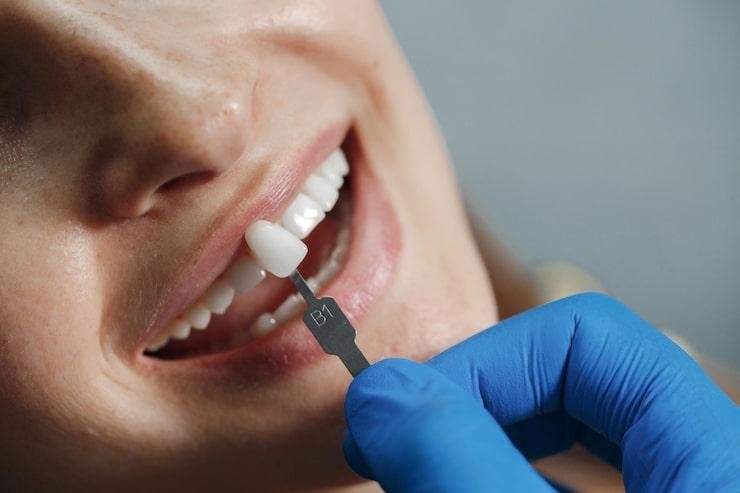
Losing a tooth feels different depending on where it sits in your mouth. A missing back molar hits differently than a gap right in the front row. And the fix isn't always the same either. Some people need one implant. Others need several. Knowing which path makes sense for your situation can save you time, money, and a lot of second-guessing.
What a Single Implant Actually Does
A single dental implant replaces one missing tooth, root and all. A titanium post goes into the jawbone, a small connector piece called an abutment sits on top, and a crown finishes the look. The whole setup mimics a natural tooth so closely that most people can't tell the difference from the outside.
Dental implants in Burlington have become one of the most requested procedures for exactly this reason. They feel stable, they don't move, and they don't rely on neighboring teeth for support the way a bridge does.
One implant works best when the tooth loss is isolated. Say you cracked a molar during a sports injury, or one tooth failed after a root canal. The surrounding teeth are healthy, the bone is in decent shape, and the gap is clearly defined. That's the ideal single-implant scenario.
When One Tooth Loss Becomes a Bigger Problem
Here's something most people don't think about. When a tooth goes missing, the bone underneath starts to shrink. It's called resorption, and it happens because the jawbone no longer has a root stimulating it. A single implant placed promptly stops that process in one spot. But if multiple teeth are missing, the bone loss spreads across a wider area.
Multiple missing teeth also affect how you chew. Your bite shifts. The remaining teeth start doing extra work, and over time, stress can cause wear, cracks, or even more tooth loss. Multiple implants placed strategically restore the balance that a single implant simply can't cover on its own.
The Key Factors That Drive the Decision
No two mouths are the same, and the right implant plan depends on several things working together.
-
Number and location of missing teeth: A single gap in a non-critical spot may need just one implant. But three missing teeth spread across different areas usually need individual implants for each, unless a bridge solution is more appropriate.
-
Bone density and volume: Each implant needs enough bone to anchor into. If bone loss is significant in multiple areas, a specialist may recommend bone grafting before placing implants or explore fewer implants supporting a bridge.
-
The health of surrounding teeth: If adjacent teeth are already compromised, a multi-implant plan may actually protect them better than leaving gaps untreated.
-
Budget and treatment timeline: Multiple implants cost more and take longer. Some patients phase the treatment over time, starting with the most critical gaps first.
Why Implant-Supported Bridges Change the Math
Not every multi-tooth situation requires one implant per missing tooth. An implant-supported bridge uses two implants to support three or four crowns. This approach works well when the missing teeth are consecutive, and the bone on either end of the gap is strong. It's a meaningful cost difference compared to placing four individual implants.
A dentist in Burlington, MA, will typically evaluate bone volume, the span of the gap, and your bite load before recommending this option. It's not a shortcut. It's a clinically appropriate choice for the right anatomy.
Single Implants and Long-Term Bone Health
One of the underappreciated advantages of a single implant is what it does below the gumline. The titanium post acts like a tooth root. Every time you chew, it sends stimulation into the jawbone. That signal tells the bone to keep rebuilding itself. Without it, the bone quietly shrinks over months and years. This matters especially for younger patients. A 35-year-old with one missing tooth who skips the implant may have significant bone loss by their 50s in that exact spot.
Placing dental implants in Burlington, MA, early doesn't just fix the cosmetic issue. It protects the structure of the jaw for decades.
What the Consultation Actually Looks Like
A good implant consultation goes deeper than a quick look in the mirror. Expect a 3D cone beam CT scan, which gives the treating dentist a full picture of bone height, width, and density. They'll also look at the sinus position for upper arch cases and the nerve canal for lower jaw cases. From there, the dentist maps out exactly how many implants are needed, where they go, and what the prosthetic on top will look like.
The treatment plan should answer the "why" behind every decision, not just the "what." If you're only getting a single implant, you should understand why that's enough. If multiple are recommended, the reasoning should be equally clear.
The Cost Gap Between Single and Multiple Implants
A single implant in the United States typically ranges from $3,000 to $5,000, including the crown. Multiple implants multiply that cost, though implant-supported bridges can bring the per-tooth cost down. Many dental offices offer financing options that spread the payments over 12 to 24 months.
It's also worth thinking about the cost of not treating it. Bone grafts, shifting teeth, and future restorations all carry price tags too. The upfront investment in the right number of implants often prevents far more expensive problems down the road.
Make the Right Call for Your Mouth
Choosing between one implant and several isn't a guessing game. It comes down to how many teeth are missing, what the bone looks like, and how your bite functions as a whole. A single implant is a powerful, permanent fix when the situation calls for it.
When more teeth are involved, trying to get by with less than what's needed usually creates bigger problems later. A celebrated dental implant provider in Burlington will give you a clear, honest picture of what your specific case actually needs, without overselling or oversimplifying.

 Arabic
 French
 Spanish
 Portuguese
 Deutsch
 Turkish
 Dutch
Dutch
 Italiano
 Russian
 Romaian
 Portuguese (Brazil)
 Greek
Greek