


Old Plumbing Problems That Often Show Up During Small Bathroom Remodels
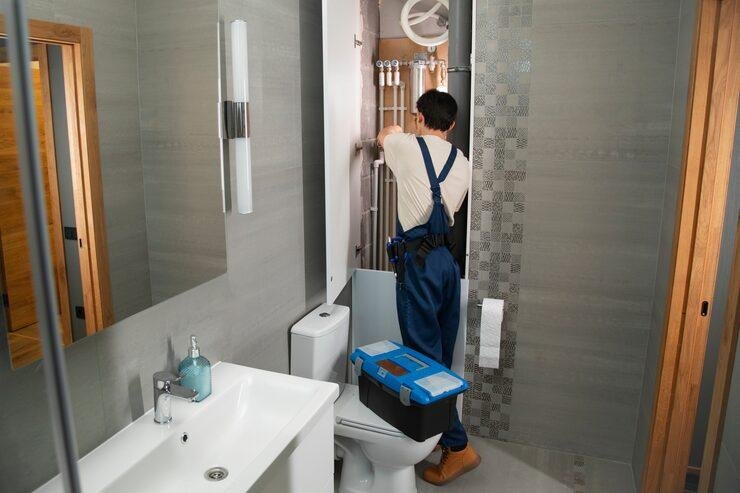
Ripping out a vanity or retiling a shower floor can open a can of worms nobody warned you about. Bathroom renovations are exciting until the walls come off and reality sets in. Behind that outdated tile and beneath that creaky floor, old plumbing sits quietly, waiting to cause trouble. This is especially true for older homes and condos across the city.
If you're planning a small bathroom renovation in Toronto, knowing what's hiding behind your walls can save you from nasty surprises, budget blowouts, and weeks of delays. Let's talk about the plumbing problems that show up most often and what they actually mean for your project.
Galvanized Steel Pipes That Have Seen Better Days
Many Toronto homes built before the 1970s still have galvanized steel pipes running through them. On the surface, everything looks fine. But the inside of these pipes tells a different story. Over decades, rust and mineral buildup slowly choke the pipe, reducing water pressure and contaminating the water supply.
During a remodel, contractors often spot this the moment they open up walls. Replacing galvanized pipes adds cost and time, but leaving them in during a renovation is a mistake most experienced plumbers won't make twice.
Outdated Drain Systems That Can't Keep Up
Older cast-iron drain pipes were built to last, and many of them technically have. But lasting and working well are two different things. Cast iron corrodes from the inside, develops cracks, and can collapse under pressure, especially in high-rise condos where drain lines carry heavy loads from multiple units above.
This is a recurring issue in small condo bathroom renovations in Toronto. Condo boards often have rules about what can and can't be touched when it comes to shared drain stacks, which adds another layer of complexity. You may need written approval before a plumber can address the issue properly.
The Hidden Problem of Improper Venting
This one catches a lot of homeowners off guard. Plumbing vents allow air into the drainage system so water flows smoothly and sewer gases don't sneak back into your home. In older bathrooms that were renovated informally over the years, venting is sometimes missing or done incorrectly.
Signs include slow drains, gurgling sounds after flushing, and faint sewer smells that seem to come from nowhere. Fixing improper venting during a remodel is smart, since the walls are already open. Doing it later means tearing things apart all over again.
Corroded Shut-Off Valves That Don't Shut Off
Here's a problem that sounds minor until it isn't. Shut-off valves under sinks and behind toilets are supposed to stop water flow when repairs are needed. In older bathrooms, these valves corrode and seize up over time. They look fine, but they no longer turn.
During a small bathroom renovation in Toronto, contractors regularly find shut-off valves that haven't moved in 20 or 30 years. If they're not replaced and a pipe bursts or a fixture leaks later, there's no way to stop the water quickly. That's how minor leaks become flood damage.
Subfloor Rot from Slow Leaks Nobody Noticed
-
Toilet bases that rock slightly are a red flag
-
Soft spots near the tub or shower often mean water has been sitting underneath for a while
-
Discolored or warped flooring near plumbing fixtures is a warning sign
Slow leaks from toilet wax rings or shower pan failures don't announce themselves. They drip quietly beneath the surface for months or years, rotting out the subfloor underneath. By the time a renovation starts and the floor comes up, the damage is already done.
Replacing a rotted subfloor adds both cost and time to any project, but skipping it creates structural and mold issues that only get worse.
Lead Pipes in Homes Built Before the 1950s
Some Toronto homes still have lead pipes connecting to the main water supply. This is mostly a concern for pre-war housing stock. Lead pipes weren't banned in Canada until 1975, so homes built or plumbed before that era may still have them in parts of the system.
A bathroom remodel is often the first time anyone gets a proper look at what's behind the walls. Finding lead pipes means prioritizing their replacement, not just for the renovation's sake but for the health of everyone living there.
Fixtures Installed Without Proper Permits
This one creates legal and practical headaches. Over the years, previous owners sometimes added bathrooms or modified plumbing without pulling permits. The work may look decent on the surface, but non-permitted plumbing doesn't follow code and can fail inspection when you try to sell the property.
Unpermitted work can also violate the condo corporation's rules. Addressing it during a remodel is the right call, even if it means more work upfront.
Water Pressure That's Too High or Too Low
Unusual water pressure is often a symptom of a deeper problem. High pressure stresses joints and valves. Low pressure suggests blockages, failing pressure regulators, or supply line issues. Neither extreme is good, and both tend to get noticed during remodels when pipes are tested or replaced.
A licensed plumber can check the pressure regulator and assess the supply lines to confirm everything is within a safe range before new fixtures go in.
Get the Renovation Right From the First Day
Old plumbing problems are not a reason to avoid renovating. There's a reason to renovate smart. The best time to fix a failing pipe or a corroded valve is during a remodel, not after the walls are sealed back up.
Working with an experienced contractor who flags these issues early means your small bathroom renovation in Toronto gets done right the first time, without expensive do-overs down the road. Know what you're getting into, budget for the unexpected, and you'll come out with a bathroom that actually works as well as it looks.

 Arabic
 French
 Spanish
 Portuguese
 Deutsch
 Turkish
 Dutch
Dutch
 Italiano
 Russian
 Romaian
 Portuguese (Brazil)
 Greek
Greek