


Calculate Solar System ROI
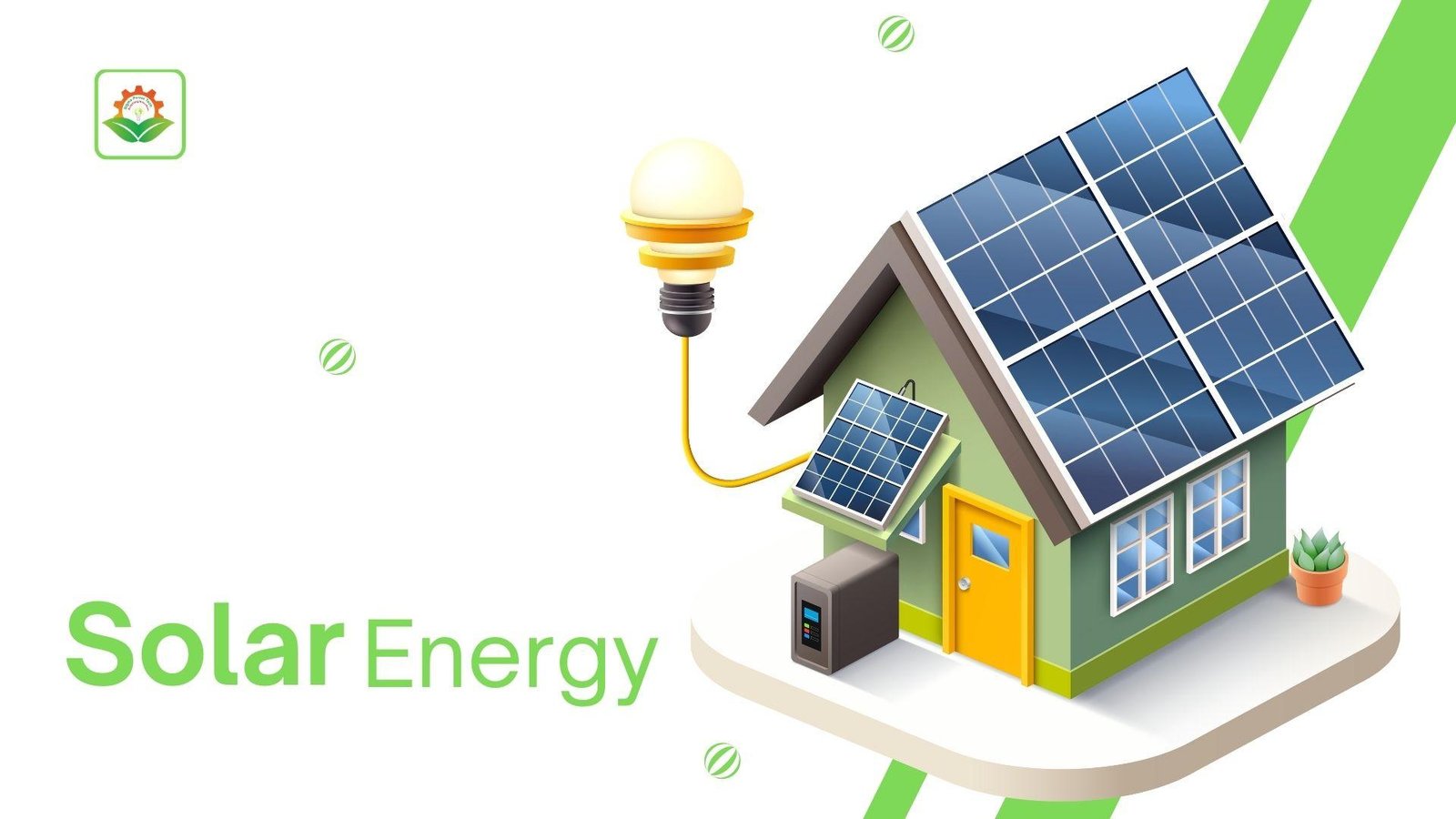
Electricity bills at a newly developed residential township continue to rise despite energy-efficient lighting and appliances. At the same time, a nearby commercial office complex has reduced its annual electricity expenses after installing a well-designed rooftop solar solution supported by real-time monitoring. The difference lies not only in the installation itself but also in understanding the return on investment before the project begins. A solar system for home or commercial property is a long-term infrastructure investment, and calculating its financial return helps property owners make informed decisions.
As electricity tariffs increase and sustainability targets become more important, homeowners, industries, and institutions are looking beyond installation costs to understand lifetime savings. A reliable ROI calculator estimates energy generation, electricity bill reductions, maintenance expenses, and payback period based on local conditions. Whether planning a residential installation or a large commercial project, evaluating the financial performance of a solar system for home ensures the investment aligns with long-term energy goals.
Why ROI Matters Before Installing a Solar System for Home
A solar installation should never be evaluated solely on its purchase price. The true value comes from decades of electricity generation and reduced dependence on the utility grid.
An ROI calculation typically considers:
- Annual electricity consumption
- Local solar irradiation levels
- Roof orientation and shading
- System efficiency
- Net metering benefits
- Expected equipment lifespan
- Annual operating costs
Instead of focusing only on the solar system for home price, experienced engineers evaluate lifecycle performance, ensuring the system delivers reliable energy for 25 years or more.
How a Solar System Generates Long-Term Savings
A modern solar system converts sunlight into direct current (DC) electricity using photovoltaic modules. An inverter converts this into alternating current (AC) suitable for household or commercial loads.
Most installations include:
- Solar panels
- Inverter
- Mounting structures
- Electrical protection devices
- Monitoring system
- Optional battery storage
Energy produced during daylight offsets grid consumption, significantly lowering monthly electricity bills. Under net metering policies, surplus electricity may also be exported to the grid, improving overall financial returns.
Factors That Influence Solar Panel System Cost and ROI
Although many buyers search for a fixed Solar panel system cost, engineering professionals know that every project differs.
Major cost and performance factors include:
- Available rooftop or land area
- Daily electricity demand
- Selection of Best solar panels
- Inverter technology and capacity
- Battery backup requirements
- Structural design and mounting method
- Installation and commissioning complexity
- Grid connection and net metering requirements
- Site accessibility and logistics
- Future expansion capability
Rather than comparing only initial investment, lifecycle cost analysis provides a more accurate picture of long-term financial performance.
Choosing the Right Solar Configuration
The expected ROI depends heavily on selecting the appropriate system architecture.
On-grid systems are generally preferred where reliable utility power and net metering are available.
Off-grid systems combine solar generation with batteries for locations lacking dependable electricity supply.
Hybrid systems integrate both approaches, offering grid interaction while maintaining backup power during outages.
Proper inverter sizing, battery integration, grounding, surge protection, and compliance with electrical safety standards all contribute to system efficiency and operational reliability.
Key Engineering Features That Improve ROI
Modern solar installations include technologies that maximize energy production throughout the system's operating life.
Important features include:
- High-efficiency photovoltaic modules
- Scalable system architecture
- Remote monitoring through mobile applications
- Real-time energy generation tracking
- Performance alerts and fault notifications
- Grid synchronization capability
- Predictive maintenance support
- Modular inverter design
- Weather-resistant components
- Long operational life exceeding 25 years
- Low maintenance requirements
These features help maintain stable energy production while reducing unexpected operational costs.
Applications Across Different Sectors
Solar power has become an important part of India's energy transition across multiple industries.
Typical applications include:
- Residential rooftop installations
- Housing societies and apartment complexes
- Commercial office buildings
- Hospitals and healthcare facilities
- Industrial manufacturing plants
- Shopping malls
- Hotels and hospitality properties
- Educational institutions
- Government infrastructure
- Agricultural irrigation systems
- Warehouses and logistics centres
- Smart city and rural electrification projects
Each application requires different engineering calculations, load assessments, and financial projections to achieve the highest return.
Using a Solar System Model for Accurate ROI Estimation
An ROI calculator performs best when based on a realistic solar system model rather than generic assumptions.
Professional models consider:
- Historical electricity bills
- Seasonal weather variations
- Module degradation over time
- Future electricity tariff escalation
- Equipment replacement schedules
- Battery lifecycle (where applicable)
- Maintenance expenditure
- Performance ratio
Many engineering firms also develop a detailed solar system project simulation before installation to validate expected energy production and financial outcomes.
For readers looking to better understand system engineering, component selection, and lifecycle planning, this guide on Sigma Power Tech solar panel system provides useful technical insights into modern solar installations.
Buyer's Guide: Selecting the Right Installation Partner
The quality of engineering directly affects both system reliability and financial returns.
Before selecting an installer, buyers should evaluate:
- Industry experience
- Project portfolio
- Engineering and design capability
- Manufacturing and installation expertise
- MNRE and BIS compliance
- Product testing and quality assurance
- Panel and inverter warranties
- System customization options
- Installation and commissioning procedures
- Documentation support for subsidies
- Availability of Solar panel maintenance services
- Long-term technical support
An experienced engineering team can optimize system sizing, improve performance, and reduce operational risks over the project's lifetime.
Common Mistakes That Reduce ROI for a Solar System for Home
Several avoidable mistakes can significantly increase the payback period.
Common issues include:
- Skipping professional site assessments
- Ignoring roof orientation and shading
- Choosing equipment solely on lowest price
- Installing oversized or undersized inverters
- Neglecting future expansion requirements
- Ignoring maintenance planning
- Failing to complete regulatory approvals
- Poor inverter-panel compatibility
- Improper installation practices
- Not establishing realistic energy savings targets
Careful engineering design prevents these problems while ensuring consistent energy generation.
Conclusion
A well-designed solar system for home delivers far more than reduced electricity bills. When supported by an accurate ROI calculator, homeowners and businesses can estimate payback periods, evaluate lifecycle costs, and make informed investment decisions based on engineering data rather than assumptions.
Instead of focusing only on the solar system for home price, buyers should consider system efficiency, equipment quality, regulatory compliance, monitoring capability, and long-term operational reliability. Selecting high-quality components, appropriate system sizing, and experienced installation professionals ensures maximum return on investment while supporting energy independence and sustainable infrastructure. With proper planning and ongoing maintenance, a professionally engineered solar installation remains one of the most dependable long-term investments in clean energy.

 English
 Arabic
 French
 Spanish
 Portuguese
 Deutsch
 Turkish
 Italiano
 Russian
 Romaian
 Portuguese (Brazil)
 Greek
Greek