
How to Plan an Exhibition Booth That Generates Qualified Leads
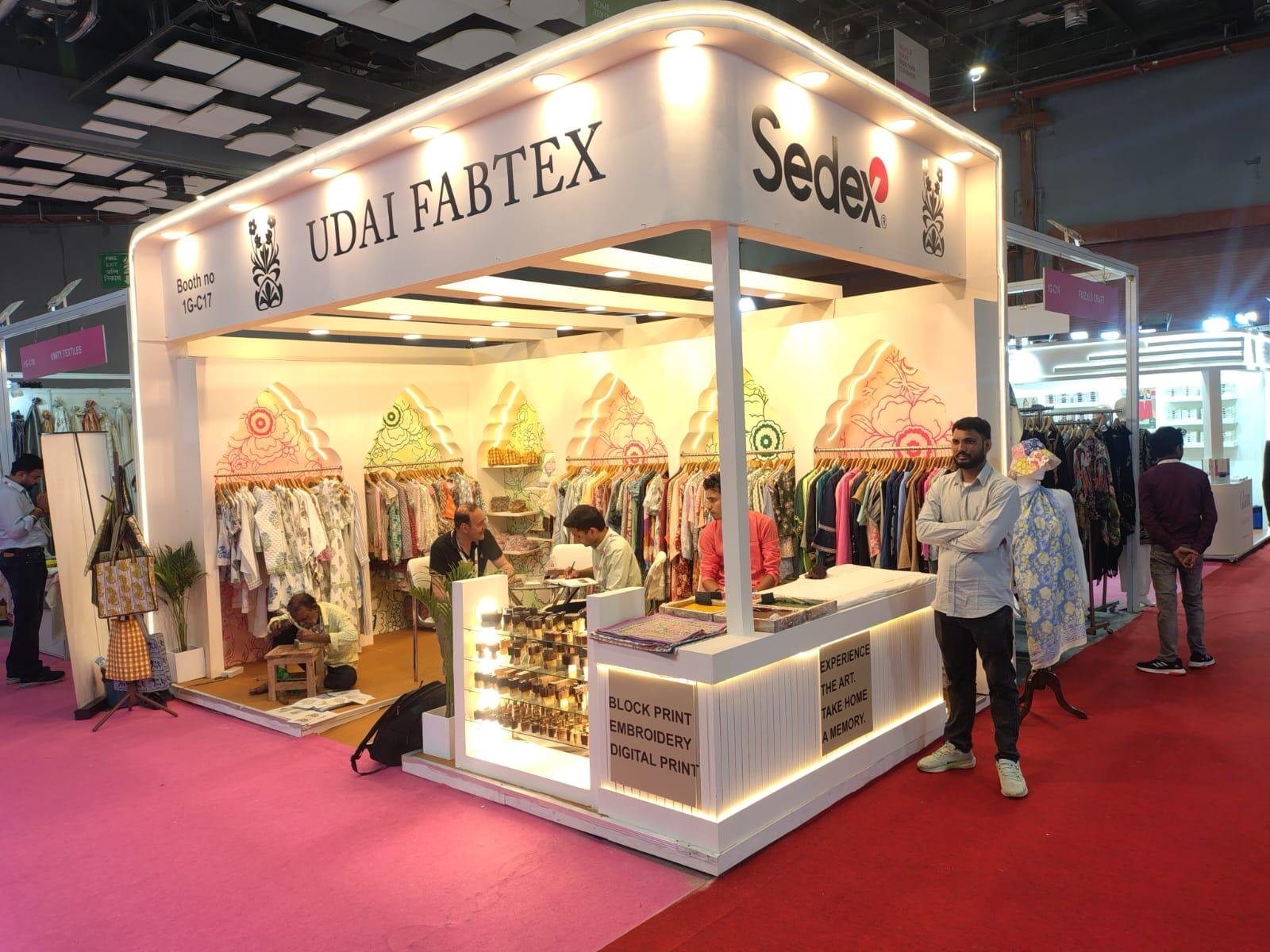
A busy exhibition hall does not automatically produce business results. The real goal is to attract the right visitors, start useful conversations and make follow-up easy. Effective exhibition booth design therefore combines a clear objective, practical visitor flow, focused messaging, reliable booth fabrication and a prepared sales team.
The best booth is not necessarily the largest or most expensive. It is the one that helps the intended audience quickly understand what the brand offers and what they should do next.
What Makes an Exhibition Booth Effective?
An effective booth answers three questions within seconds: Who are you? What problem do you solve? Why should a visitor stop?
A lead-focused trade show booth usually includes:
- A visible brand name and concise value proposition
- An open, easy-to-enter layout
- A defined demonstration or discussion area
- Lighting that supports products and graphics
- A simple lead-capture process
- Hidden storage for operational clutter
- Staff positions that do not block the entrance
These elements work together. A visually impressive stall can still underperform when the message is vague, the layout creates congestion or the team has nowhere to hold a conversation.
Start With the Business Objective
Before requesting a 3D design, decide what success should look like. Different goals require different layouts.
Product Launches
A product launch may need a central demonstration zone, clear sightlines and standing space for small groups. The product should remain the visual focus.
Lead Generation
For lead generation, prioritise approachable counters, quick qualification and one or two semi-private meeting areas. Visitors should be able to understand the offer and share their details without waiting.
Distributor or Partner Meetings
A company meeting distributors may need fewer open displays and more comfortable seating. Acoustic control, charging points and discreet storage become more important than maximum footfall.
Defining the objective also controls cost. Every feature should support visibility, engagement, demonstrations or conversations.
Design the Visitor Journey Before the Structure
Visitor flow is a central part of exhibition stall design. Start by imagining how an attendee will see, enter and move through the space.
At an inline booth, the front edge should remain open because visitors approach from one aisle. A corner stall can use two visible sides. An island booth allows entry from several directions but needs clear zoning.
A practical journey follows five steps:
- Attention: A strong message or visual attracts interest.
- Orientation: The visitor understands the brand, offer and benefit.
- Engagement: A demonstration, sample, screen or staff member starts a conversation.
- Qualification: The team identifies the visitor’s role, requirement and timeline.
- Conversion: Contact details, a meeting or another follow-up action are recorded.
Keep this journey simple. Too many screens, messages or pathways create friction.
Make Messaging Easy to Scan
Exhibition visitors are surrounded by competing displays. Long paragraphs rarely work at a distance. Use one main value proposition, a few supporting points and a clear call to action.
The primary message should be readable from the aisle. Secondary information can appear near products or discussion zones. Technical detail belongs in brochures, presentations or follow-up emails.
For example, a machinery manufacturer might lead with the operational result its equipment delivers, then use a live demonstration to explain specifications. A software company might show the business problem on the outer wall and place an interactive walkthrough inside.
Good booth graphics guide attention in layers rather than asking visitors to read everything at once.
Coordinate Design and Booth Fabrication Early
A concept is only valuable when it can be built safely, accurately and on schedule. Design decisions affect materials, electrics, graphics, freight, installation time and venue approvals.
Before approving a custom exhibition booth, confirm:
- Final dimensions and open sides
- Height, rigging and branding restrictions
- Power load and electrical locations
- Product weights and display needs
- Flooring, lighting and AV specifications
- Storage and staff utility requirements
- Installation and dismantling windows
- Fire-safety and venue documentation
Early coordination reduces last-minute compromises. It also helps an exhibition stand builder identify where custom fabrication adds value and where modular components can control cost.
Choose Custom, Modular or Hybrid Construction
Custom-built stands offer creative freedom and suit brands that need a distinctive environment, integrated product displays or premium meeting areas. Modular exhibition stalls are easier to adapt and can be economical for frequent exhibitors.
A hybrid approach often provides balance. Reusable structural components can be combined with event-specific graphics, lighting, furniture and product zones. This keeps the brand consistent while allowing the layout to change.
Projects involving booth fabrication in Delhi, exhibition stall design in Mumbai or reusable stands for Bangalore, Chennai and Noida may face different hall layouts and organiser requirements. International shows in Dubai, Germany or the USA add further logistics and local-compliance considerations.
Reusable exhibition systems should therefore be designed for flexibility rather than copied without adjustment.
Select a Partner for Execution, Not Only Design
A strong rendering is not proof of reliable execution. When evaluating an exhibition stall designer in India or an international booth partner, review the complete delivery process.
Ask who will manage technical drawings, procurement, quality checks, transport, venue coordination, installation, show-day support and dismantling. Request examples of completed builds, not only 3D concepts. Clarify revisions, payment stages and how last-minute organiser changes will be handled.
For brands that prefer one accountable team from concept through handover, Stall Designs’ exhibition design and fabrication support covers booth planning, fabrication, installation and end-to-end expo coordination across Indian and international locations.
When design and delivery are fragmented, small communication gaps can become expensive on the show floor.
Prepare the Team and Lead-Capture Process
Even excellent expo booth design cannot compensate for an unprepared team. Assign clear roles: greeter, product specialist, decision-maker and lead recorder. In a small team, one person may handle several roles, but responsibilities should still be defined.
Use a short qualification framework. Ask what brought the visitor to the show, what challenge they are trying to solve and when they expect to act. Record useful notes rather than collecting only a name and phone number.
Lead forms should connect to a follow-up workflow. High-priority prospects may need a same-day response, while early-stage contacts can receive relevant educational material.
Measure More Than Footfall
Crowd size is a weak success metric on its own. Track indicators linked to the objective:
- Qualified conversations
- Demonstrations completed
- Meetings booked
- Target accounts engaged
- Sales opportunities created
- Follow-up response rate
- Cost per qualified lead
After the event, compare results with booth location, messaging, layout and staff feedback. This turns each exhibition into a learning opportunity.
Final Checklist
Before production begins, confirm one clear objective, one primary message and a simple visitor journey. Ensure the layout supports demonstrations and conversations, the fabrication plan reflects venue rules, and the team knows how leads will be captured and followed up.
A successful exhibition presence depends on alignment. Strategy attracts the right audience, design creates interest, fabrication protects quality, installation ensures readiness and the sales process converts engagement into opportunity. When these parts work together, the booth becomes a practical business-development environment rather than a temporary display.
Kategoriler
Read More
Patna, the ancient city along the banks of the Ganges, blends rich history with modern desires. For discerning gentlemen seeking premium companionship, Patna call girls deliver an intoxicating mix of beauty, elegance, and raw passion. Whether you’re a local professional needing stress relief or a visitor exploring the city’s vibrant nightlife, our high-class escorts are ready to...

🚨🔥 WATCH FULL VIDEO NOW 👀 👉 CLICK HERE TO WATCH 🎬 😱 YOU WON'T BELIEVE THE ENDING 🔥 WATCH THE FULL CLIP HERE 🚀 BEFORE THIS VIDEO GETS REMOVED ⚠️ 📺 TAP HERE TO WATCH NOW https://ns1.iyxwfree24.my.id/movie/fECw The world of social media has given rise to numerous influencers and content creators, but few have managed to capture the hearts of millions like New Nanani. With her unique...
Discover why choosing the Best Montessori School in McKinney US helps children grow independently, learn creatively, and build lifelong skills in a nurturing environment. When it comes to shaping a child’s future, picking the right school isn’t just important, it’s everything. And let’s be honest, parents today aren’t just looking for academics; they want a...

The internet has quietly split into two kinds of writing: the kind a person typed, word by word, coffee going cold beside the keyboard — and the kind a machine assembled in seconds, statistically confident but sometimes soulless. Somewhere in between stands a new kind of tool trying to tell the two apart. That tool is the ai detector, and whether you're a teacher, an editor, a hiring...

In today’s fast-paced digital world, mobile applications have become an essential part of every business strategy. From startups to large enterprises, companies are investing in mobile apps to enhance customer engagement, streamline operations, and boost revenue. If you are searching for the best mobile application development company in Bangalore, Xfactr stands out as a...