


Mastering the Logistics of Moving With Pets
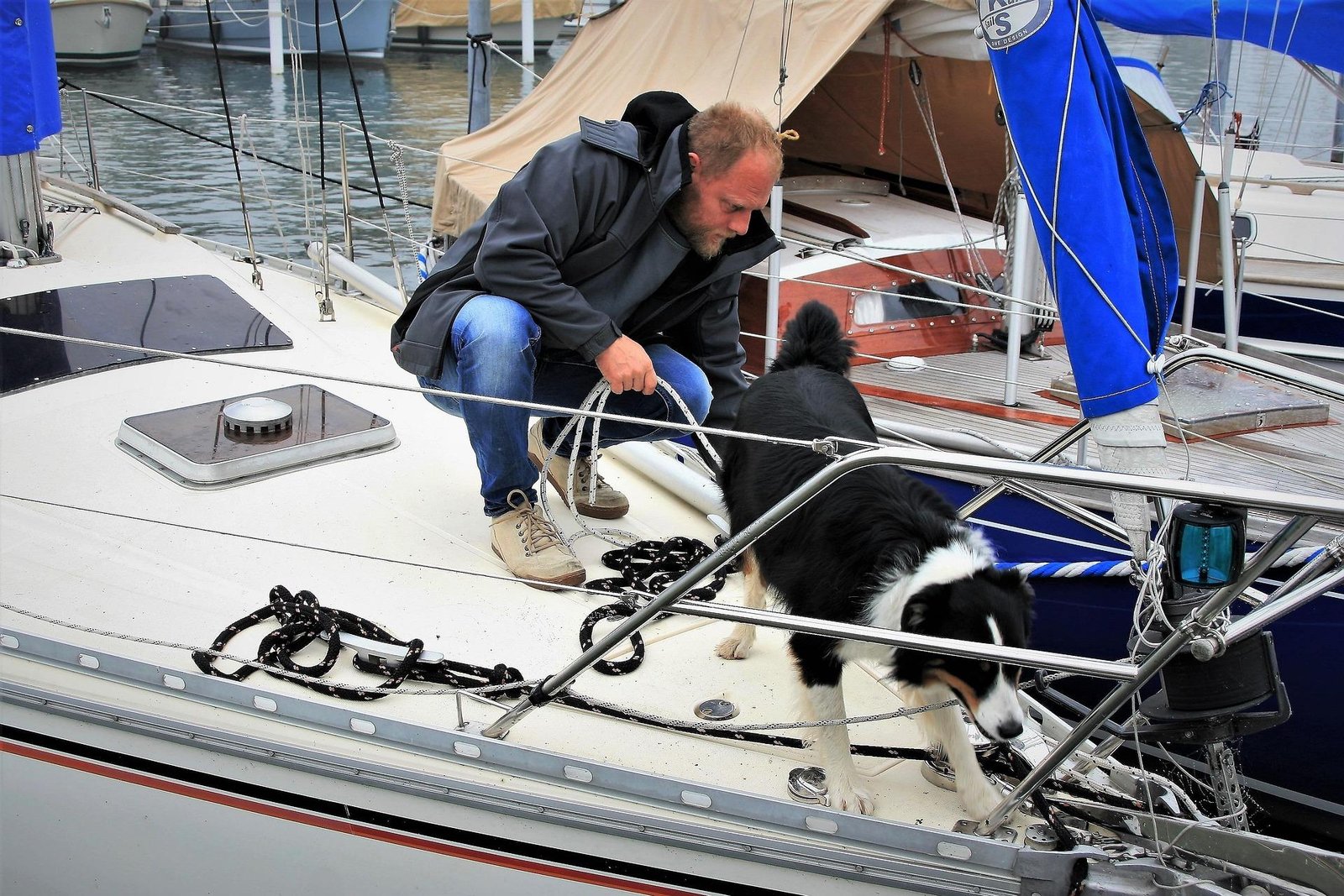
Successfully moving with a dog requires careful coordination, and finding a reliable dog transportation service is often the most important decision you will make. Whether you are moving to a new city or across an ocean, the goal remains the same: ensuring your pet’s safety and well-being. Professional transporters act as advocates for your pet, navigating the complex rules of various travel hubs while ensuring your dog’s physical and emotional needs are met. This guide provides actionable advice to help you prepare for a safe and successful journey.
Preparation Starts at the Vet
Your dog’s health is the foundation of their travel safety. Schedule a thorough check-up well before your departure. During this visit, discuss the specific stresses your dog might face and ask for advice on travel readiness. Ensure that all vaccinations—especially rabies—are up to date and that your dog is microchipped with your current contact information. Obtaining a certificate of veterinary inspection is standard, but some destinations require more specific parasite treatments or blood titers. Researching these requirements early ensures that you don't run into roadblocks at the last minute.
Crate Training as a Foundation for Comfort
A well-conditioned dog is a calm traveler. If your dog is accustomed to their crate, they will view it as a sanctuary rather than a prison. Start your training at least a month before you move. Place the crate in a common area of the house, leave the door open, and entice your dog to go inside with treats or their favorite toys. Over time, increase the duration they spend inside. By the time your travel day arrives, the crate should feel like a familiar, safe space where they can easily curl up and sleep.
Choosing the Right Transport Partner
Not all pet transporters are created equal. When vetting a company, look for indicators of professionalism and experience. Do they have a USDA license? Are they members of recognized pet transport organizations? These credentials signal that the provider follows industry-standard safety practices. Additionally, prioritize companies that emphasize "live animal" handling protocols. This includes climate-controlled transport and direct communication. Transparency is key—a reputable company will answer your questions about their routes, their emergency contingency plans, and how they monitor your pet’s hydration and comfort throughout the trip.
Managing the Travel Day
On the day of the move, keep your own energy calm and positive. Dogs are highly perceptive and will mirror your stress levels. Before the transport team arrives or you head to the airport, take your dog for a gentle walk to help them release excess energy and ensure they have a chance to relieve themselves. Feed them a light meal, but keep it modest—a full stomach can lead to discomfort or motion sickness during travel. Ensure they have fresh water available, but rely on the transport team’s instructions for any long-haul hydration strategies.
Conclusion
Preparing your dog for relocation is a team effort. By working with professionals who understand the complexities of animal transport, you ensure that your dog’s needs are managed by those who prioritize safety above all else. With a clear plan, proper crate conditioning, and the right logistical support, you can bridge the distance between your old home and your new one with confidence, knowing your pet is in the best hands.
Frequently Asked Questions
1. How long does the average dog take to get used to a travel crate? Every dog is different, but with consistent, positive reinforcement, most dogs can feel comfortable in a crate within 2–4 weeks. Start slowly and never force your dog into the crate.
2. Are there any items I should absolutely leave behind? Yes. Remove all collars, harnesses, and ID tags before your dog enters their crate for travel. These can snag on the crate door and become a significant safety risk. Ensure your dog is microchipped instead.
3. What should I do if my flight is delayed? If you are moving by air, notify your transport provider immediately. Reputable services have protocols for handling delays and will work to keep your dog comfortable in a temperature-controlled environment until the travel schedule can resume.
Categorias
Leia Mais
According to a report by Intel Market Research, the global Feed Acidifier market was valued at USD 2.26 billion in 2024 and is projected to reach USD 3.10 billion by 2034, expanding at a CAGR of 4.8% during the forecast period. The market is witnessing sustained growth due to increasing global demand for animal protein, stricter regulations on antibiotic use in livestock feed, and growing...

Healthcare organizations today face growing pressure to deliver exceptional patient care while managing staffing shortages, rising procedural volumes, and evolving regulatory requirements. Every department within a hospital or surgical center depends on qualified clinical professionals, but anesthesia services remain particularly sensitive because patient safety relies on continuous expert...

Cada vez más personas buscan tratamientos estéticos que ofrezcan resultados visibles sin recurrir a procedimientos invasivos. La máquina de congelación de grasa responde a esta necesidad mediante una tecnología que elimina células grasas de forma segura y progresiva. Su popularidad continúa creciendo tanto en clínicas especializadas como...
Introduction Starting Sentence:Aaj ke time mein log apni intimate life ko aur exciting banane ke liye naye products try kar rahe hain, aur isi wajah se Silicon Condom Buy Online aur Dragon Condom Buy Online ki demand kaafi tezi se badh rahi hai. Is guide mein hum jaanenge ki Silicon Dragon Condom kya hota hai, iske benefits kya hain, price kitni hoti hai aur online purchase karte waqt kin...

Tree care in Knoxville and the broader East Tennessee region follows a seasonal rhythm that is shaped by the specific climate, species composition, and weather patterns of this place. The same pruning work done in February versus May can produce dramatically different outcomes for an oak tree. The same storm that causes minor limb breakage in a well-maintained canopy can cause catastrophic...
