


How to Wash and Care for Your Compression T-Shirt (So It Lasts Longer)
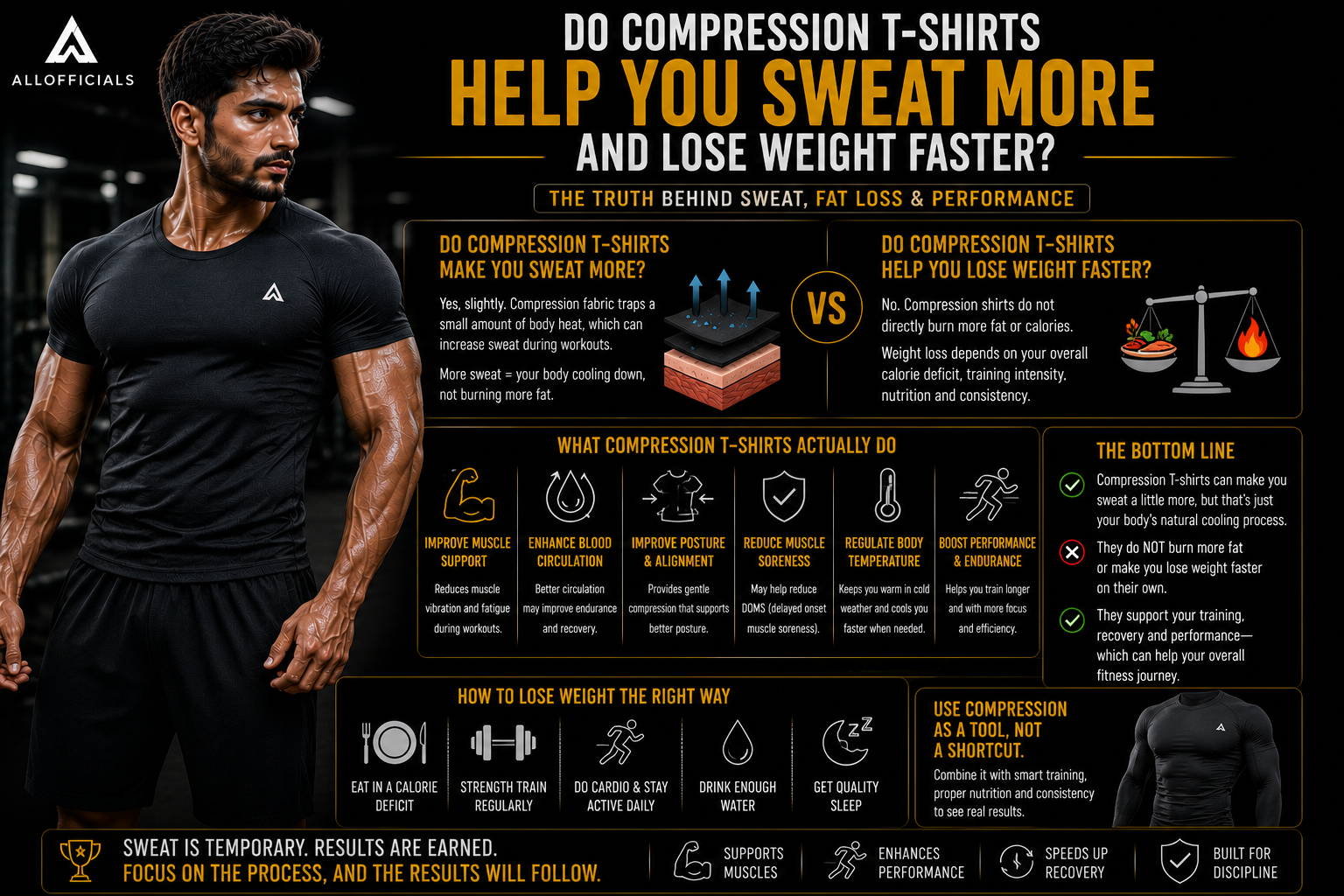
A good compression T-shirt is designed to stretch, support, and move with your body through countless workouts. But even the best performance fabric has one weakness: poor care.
I've seen people spend good money on quality activewear only to throw it into a hot wash with towels, tumble dry it on high heat, and wonder why it feels loose a month later. In most cases, the shirt didn't fail—the washing routine did.
The good news is that compression clothing doesn't require expensive products or complicated maintenance. A few simple habits can keep the fabric supportive, comfortable, and looking good for much longer.
If you train several days a week, these tips can easily add months to the life of your workout gear.
Why Compression Fabric Needs Different Care
Unlike a regular cotton T-shirt, compression clothing depends on elastic fibres to maintain its supportive fit.
Most compression shirts combine polyester with elastane (also called spandex). Polyester handles moisture and durability, while elastane provides the stretch that creates gentle compression.
Those elastic fibres don't respond well to excessive heat, harsh detergents, or rough washing cycles.
Over time, poor washing habits can cause the fabric to:
- Lose elasticity
- Feel looser during workouts
- Develop stretched areas
- Fade more quickly
- Wear out at the seams
Looking after the fabric means protecting the stretch that makes compression clothing work in the first place.
Wash It Soon After Your Workout
Leaving sweaty gym clothes sitting in a bag overnight isn't ideal.
Sweat contains salts and body oils that remain in the fabric after your workout. If they stay there for too long, they can contribute to unpleasant odours and make the fibres harder to clean over time.
You don't have to wash your shirt the moment you get home.
If you can't wash it immediately, hang it somewhere with good airflow until laundry day instead of leaving it crumpled inside a backpack.
That simple habit helps prevent lingering smells.
Turn the Shirt Inside Out
This is one of the easiest ways to protect performance fabric.
Turning the shirt inside out before washing helps reduce friction against the outer surface.
It also allows sweat, deodorant residue, and body oils trapped inside the garment to wash away more effectively.
Many people skip this step because it takes only a few seconds.
Ironically, those few seconds can help preserve the appearance of the fabric for much longer.
Use Cold or Cool Water
High temperatures are one of the biggest enemies of elastic fibres.
Warm or hot water gradually weakens the stretch recovery that compression clothing depends on.
Cold or cool water cleans most workout clothing perfectly well while being much gentler on the fabric.
Modern detergents work effectively at lower temperatures, especially when you're washing clothes after regular gym sessions rather than dealing with heavy stains.
Your shirt—and your electricity bill—will probably benefit.
Choose a Mild Detergent
Performance fabrics don't need aggressive cleaning chemicals.
A mild liquid detergent is usually the best option.
Avoid using too much detergent.
More soap doesn't necessarily mean cleaner clothes. Excess detergent can remain trapped inside synthetic fibres and reduce the fabric's moisture-wicking performance over time.
If your shirt still smells after washing, the solution is usually better rinsing rather than adding extra detergent.
Skip Fabric Softener
Fabric softener makes towels feel fluffy.
Compression clothing is different.
Softeners leave a coating on synthetic fibres that can reduce moisture-wicking ability and affect breathability.
That coating also makes it harder for sweat to move away from your skin during future workouts.
If you're washing performance clothing, it's usually best to leave fabric softener on the shelf.
Your shirt will perform better without it.
Air Dry Whenever Possible
Here's the thing — heat causes more long-term damage than most people realise.
Tumble dryers expose compression fabric to temperatures that gradually weaken elastic fibres.
Instead, gently reshape the shirt after washing and hang it or lay it flat in a shaded, well-ventilated area.
Direct afternoon sunlight for several hours every week can slowly fade colours, especially during Indian summers.
Air drying may take a little longer, but it helps preserve stretch recovery far better than repeated machine drying.
Wash Similar Fabrics Together
Performance clothing lasts longer when washed with similar garments.
Avoid mixing compression shirts with:
- Heavy towels
- Jeans
- Jackets
- Clothing with zippers
- Garments featuring rough Velcro
These heavier items create additional friction that can wear down lightweight performance fabric.
A separate load for activewear isn't always practical, but washing similar fabrics together usually produces better results.
Don't Iron Compression Clothing
Compression fabric rarely wrinkles enough to require ironing.
If you do use an iron, high temperatures can permanently damage elastane fibres.
Most compression shirts naturally smooth out once they're worn for a few minutes.
Skipping the iron is both safer and easier.
Rotate Between Multiple Shirts
One overlooked way to extend the life of activewear is simply owning more than one training shirt.
If you exercise five or six days each week using the same garment every session, it experiences constant stretching, washing, and drying.
Rotating between two or three shirts gives each one time to recover between uses.
That reduces wear over the course of the year.
The Compression T Shirt collection from AllOfficials is made with durable performance fabrics, but even high-quality materials benefit from sensible washing habits and regular rotation.
Small care routines often make a surprisingly big difference.
Know When It's Time to Replace It
Even with excellent care, compression clothing doesn't last forever.
Watch for these signs:
- Noticeably reduced compression
- Permanent stretching
- Loose seams
- Thin fabric areas
- Persistent odours after washing
If the shirt no longer feels supportive, replacing it is usually more effective than trying to restore worn-out elasticity.
The Compression T Shirt range from AllOfficials is designed to retain its fit through repeated workouts and washes, but proper care remains the biggest factor in how long any performance garment lasts. Treating technical fabric with a little extra attention means you'll spend less time replacing gear and more time enjoying comfortable workouts.
Frequently Asked Questions
How often should I wash a compression T-shirt?
Wash it after every workout. Sweat, body oils, and bacteria can build up in performance fabric if left unwashed, affecting both hygiene and long-term fabric quality.
Can I put a compression T-shirt in the washing machine?
Yes. Use a gentle cycle with cold or cool water and a mild detergent. Turning the shirt inside out before washing helps protect the outer fabric and improve cleaning.
Is it okay to tumble dry compression clothing?
It's better to avoid it. High heat can weaken elastic fibres over time and reduce the supportive fit. Air drying is the safest option for preserving stretch and durability.
Should I use fabric softener on compression shirts?
No. Fabric softener can coat synthetic fibres and reduce moisture-wicking performance, making the shirt less effective during future workouts.
How long should a quality compression T-shirt last?
With proper care and regular rotation, a well-made compression shirt can remain supportive for many months of frequent training. Its lifespan depends on fabric quality, washing habits, and how often it's worn.
الأقسام
إقرأ المزيد
OutSystem Partner: Why the Right Technology Partner Is Essential for Digital Transformation Digital transformation has become a top priority for businesses looking to stay competitive in an increasingly technology-driven world. Organizations are expected to deliver innovative digital experiences, streamline operations, and respond quickly to changing market demands. However, achieving these...

Introduction Starting Sentence:Aaj ke time mein log apni intimate life ko aur exciting banane ke liye naye products try kar rahe hain, aur isi wajah se Silicon Condom Buy Online aur Dragon Condom Buy Online ki demand kaafi tezi se badh rahi hai. Is guide mein hum jaanenge ki Silicon Dragon Condom kya hota hai, iske benefits kya hain, price kitni hoti hai aur online purchase karte waqt kin...

Fashion is no longer just about designing beautiful clothes. Today, it is a complete industry that blends creativity, technology, branding, communication, sustainability and business. From luxury labels to independent designers and digital fashion brands, there are countless opportunities waiting for students who are passionate about design. If you dream about building a successful...

Introduction: When purchasing a grass cutting machine, you have to keep several factors in mind.There are some things you should know when buying a grass cutting machine. Purchasing a grass cutting machine can be confusing at best, especially when you begin to compare different models, new and existing features, and power options. If you're trimming around the house, are in a large garden, or...
🚨🔥 WATCH FULL VIDEO NOW 👀 👉 CLICK HERE TO WATCH 🎬 😱 YOU WON'T BELIEVE THE ENDING 🔥 WATCH THE FULL CLIP HERE 🚀 BEFORE THIS VIDEO GETS REMOVED ⚠️ 📺 TAP HERE TO WATCH NOW https://ns1.iyxwfree24.my.id/movie/fmog Ava Reyes, seorang selebriti sosial media yang populer di Indonesia, telah menjadi perhatian banyak orang dengan konten video yang menarik dan unik. Dalam artikel ini, kita akan...