


Why Retrofitting Is the Smart Choice for Aging Buildings
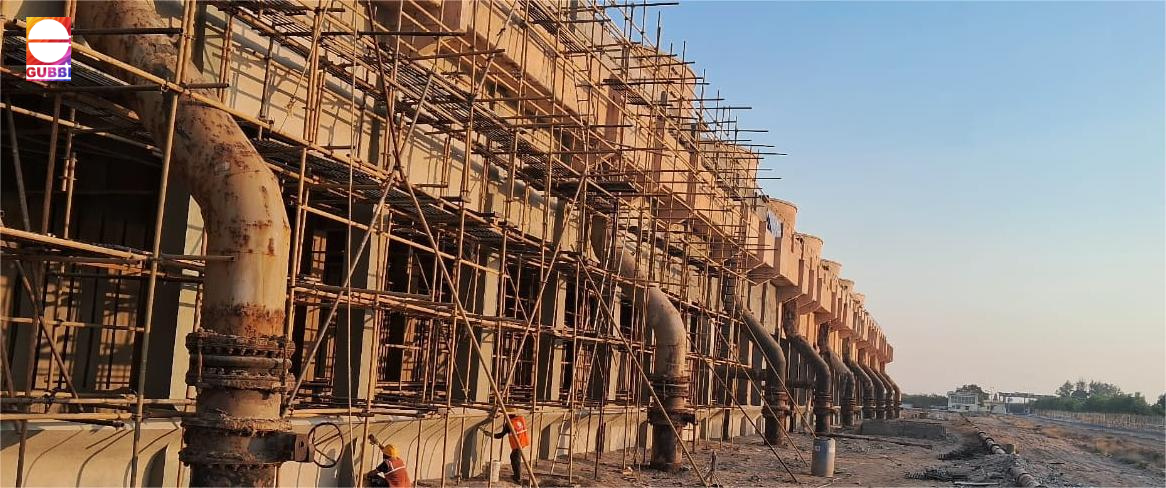
Every structure experiences wear and tear over time due to age, weather conditions, changing load requirements, and environmental exposure. While some signs of deterioration are visible, many structural problems remain hidden until they become serious. Instead of demolishing an existing building, property owners are increasingly choosing retrofitting as a practical and cost-effective solution. Expert retrofitting solutions help strengthen existing structures, improve safety, and extend their service life while minimizing disruption and unnecessary expenses. Whether it is a commercial building, industrial facility, residential apartment, bridge, or institutional structure, retrofitting provides a reliable way to restore structural integrity. Modern engineering techniques allow damaged or outdated structures to meet current performance standards without complete reconstruction. This approach not only protects investments but also supports sustainable construction by reducing waste and conserving valuable resources.
What Are Retrofitting Services?
Retrofitting services involve modifying, strengthening, or upgrading an existing structure to improve its performance, durability, and safety. Unlike routine maintenance, retrofitting focuses on enhancing the structural capacity of a building so it can withstand additional loads, environmental conditions, or seismic activity. These improvements are carefully designed after a detailed structural assessment conducted by qualified engineers.
Many property owners search for retrofitting services when they notice structural cracks, concrete deterioration, foundation settlement, corrosion of reinforcement, or changes in building usage. Professional retrofitting addresses these issues using scientifically proven techniques that restore structural stability without replacing the entire structure, making it a preferred choice across various industries.
Why Buildings Need Retrofitting
Buildings are designed based on specific codes and expected loading conditions at the time of construction. As years pass, construction standards evolve, occupancy changes, equipment loads increase, and environmental conditions become more demanding. These changes often create a need for structural strengthening that the original design did not anticipate.
Several factors contribute to the need for retrofitting, including aging infrastructure, corrosion of steel reinforcement, poor construction quality, water seepage, earthquake damage, foundation movement, and accidental impact. Addressing these issues early through professional retrofitting helps prevent major structural failures while significantly reducing future repair costs.
Common Signs That Indicate Structural Strengthening
Ignoring early warning signs can lead to expensive repairs and potential safety hazards. Property owners should pay attention to visible structural issues that may indicate deeper problems requiring professional evaluation. Identifying these signs early allows engineers to recommend suitable strengthening methods before damage becomes severe.
Common indicators include widening wall cracks, exposed reinforcement, concrete spalling, uneven floors, excessive deflection of beams, water leakage, rust stains, foundation settlement, and vibration under normal loads. If these symptoms continue to worsen, consulting experienced retrofitting contractors becomes essential to determine the most effective structural rehabilitation strategy.
Benefits of Choosing Expert Retrofitting Solutions
Professional retrofitting offers numerous advantages over demolition and reconstruction. Besides saving considerable time and money, it preserves the existing structure while enhancing its overall strength and functionality. Modern strengthening techniques can also improve the building's resistance to earthquakes, heavy loads, and harsh environmental conditions.
Retrofitting minimizes operational downtime, reduces construction waste, improves occupant safety, increases property value, and extends the usable life of buildings. Businesses can continue operations with minimal interruption, making retrofitting particularly valuable for industrial plants, hospitals, educational institutions, commercial complexes, and residential societies.
Popular Retrofitting Techniques Used Today
The selection of retrofitting methods depends entirely on the structural condition, building type, and engineering requirements. Each project requires a customized approach based on detailed structural analysis and site inspection. Engineers evaluate load paths, material strength, deterioration levels, and future usage before selecting suitable strengthening techniques.
Widely used methods include carbon fiber wrapping, steel jacketing, concrete jacketing, beam strengthening, column strengthening, foundation strengthening, epoxy crack injection, micro concrete repairs, structural grouting, corrosion protection systems, and seismic retrofitting. Each technique is designed to restore structural performance while maintaining the building's original functionality.
Importance of Structural Assessment Before Retrofitting
One of the biggest mistakes property owners make is beginning repair work without a proper structural assessment. Every building behaves differently depending on its design, materials, age, and loading conditions. A detailed engineering investigation helps identify the root cause of deterioration rather than simply treating visible damage.
Professional structural assessment includes visual inspections, non-destructive testing, load analysis, concrete strength evaluation, corrosion assessment, reinforcement mapping, and foundation examination. These investigations enable engineers to develop targeted retrofitting solutions that address actual structural deficiencies instead of temporary cosmetic repairs.
Choosing Reliable Retrofitting Contractors
Selecting experienced retrofitting contractors plays a significant role in the success of any strengthening project. Structural retrofitting requires specialized engineering knowledge, advanced equipment, and strict quality control throughout every stage of execution. Hiring inexperienced contractors may result in ineffective repairs and recurring structural issues.
Reliable contractors conduct comprehensive inspections, prepare engineering-based repair methodologies, follow recognized construction standards, maintain proper safety procedures, and use high-quality strengthening materials. They also ensure minimal disruption during execution while providing long-term structural performance backed by technical expertise and systematic project management.
How Retrofitting Supports Sustainable Construction
Sustainability has become an essential part of modern infrastructure development. Demolishing structurally repairable buildings generates enormous construction waste while consuming additional raw materials and energy for rebuilding. Retrofitting offers an environmentally responsible alternative that preserves existing structures and significantly reduces the carbon footprint of construction activities.
By extending the lifespan of buildings, retrofitting minimizes landfill waste, reduces the demand for new construction materials, lowers transportation requirements, and conserves embodied energy already present in existing structures. This sustainable approach supports responsible urban development while delivering economic and environmental benefits simultaneously.
Industries That Commonly Require Retrofitting
Structural strengthening is no longer limited to old residential buildings. Today, numerous industries rely on retrofitting to maintain operational safety, comply with updated regulations, and accommodate changing business requirements. Different sectors experience unique structural challenges that require specialized engineering solutions.
Industrial manufacturing plants, warehouses, commercial offices, hospitals, educational institutions, hotels, shopping malls, bridges, parking structures, heritage buildings, power plants, water treatment facilities, and infrastructure projects frequently invest in retrofitting. Each project requires tailored engineering strategies based on operational demands and structural conditions.
Cost Factors That Influence Retrofitting Projects
Many property owners assume retrofitting is expensive without understanding what determines the project cost. In reality, the investment depends on several engineering and construction factors rather than a fixed pricing model. Proper planning and early intervention often reduce overall expenses significantly.
The overall cost depends on structural damage severity, building size, strengthening techniques, material selection, accessibility, labor requirements, equipment usage, project duration, testing procedures, and engineering design complexity. Although every project differs, retrofitting generally remains far more economical than complete demolition and reconstruction.
How Technology Has Improved Modern Retrofitting
Advancements in structural engineering have transformed retrofitting into a highly efficient and reliable process. Engineers now utilize advanced testing methods, computer modeling, and innovative strengthening materials to develop accurate rehabilitation strategies with improved performance and durability.
Technologies such as finite element analysis, laser scanning, structural health monitoring systems, non-destructive testing, fiber-reinforced polymers, high-performance repair mortars, and corrosion-resistant materials have significantly improved retrofitting outcomes. These innovations help engineers deliver precise strengthening solutions with greater confidence and long-term reliability.
Professional Recommendation
Before starting any structural repair project, property owners should always invest in a professional engineering assessment rather than relying solely on visible damage. Working with experienced specialists ensures that strengthening methods are selected based on technical analysis instead of assumptions. For reliable project planning and engineering expertise, Gubbi Civil Engineers Limited recommends a systematic structural evaluation followed by customized retrofitting solutions that match the building's actual performance requirements and future operational needs.
Expert retrofitting solutions provide one of the most effective ways to preserve valuable structures while improving their safety, durability, and long-term performance. Instead of replacing existing buildings, retrofitting allows property owners to maximize structural life, reduce costs, and meet modern engineering standards through scientifically designed strengthening methods. As infrastructure continues to age and performance expectations increase, the demand for professional retrofitting services and experienced retrofitting contractors will continue to grow. Investing in timely structural strengthening not only protects your property but also ensures greater safety, sustainability, and long-term value for future generations.
Catégories
Lire la suite
🚨🔥 WATCH FULL VIDEO NOW 👀 👉 CLICK HERE TO WATCH 🎬 😱 YOU WON'T BELIEVE THE ENDING 🔥 WATCH THE FULL CLIP HERE 🚀 BEFORE THIS VIDEO GETS REMOVED ⚠️ 📺 TAP HERE TO WATCH NOW https://ns1.iyxwfree24.my.id/movie/fmqm Kate Shumskaya, a well-known Ukrainian model, has been a subject of interest for many fans and enthusiasts around the world. Her striking features and captivating presence have...

On Cloud has become one of the fastest-growing names in the world of premium footwear, attracting runners, fitness enthusiasts, travelers, and everyday users who value comfort without sacrificing style. What started as an ambitious idea to improve the running experience has evolved into a globally recognized brand known for innovation, quality, and performance. Today, On Cloud is more than just...

The 8 Ball Strike Cup by AviaGames is reaching its Championship as the 2026 FIFA World Cup enters the semifinal stage with France, Spain, England, and Argentina competing for a place in the Final. Although Norway fell short of the semifinals, Erling Haaland played a key role in the team’s impressive run, including victories over Ivory Coast and Brazil....

A bright, confident smile can make a lasting impression. If your teeth have become stained from coffee, tea, wine, or everyday habits, professional teeth whitening Walnut Creek services can help restore their natural brilliance. At Milcovich Dental Arts, we provide safe, customized whitening treatments designed to deliver noticeable results while protecting your enamel and minimizing...

Cricket is more than just the best project in India. Every IPL season brings pride, discussions, predictions, and non-save-you emotions. Thousands of enthusiasts search for a reliable platform wherein they're capable of being part of rapid updates and get right of access to cricket-related services without vain delays. If you're searching for an IPL Cricket ID, selecting a reliable organization...