


Which Is the Best Quality Mattress for Your Sleep Needs?
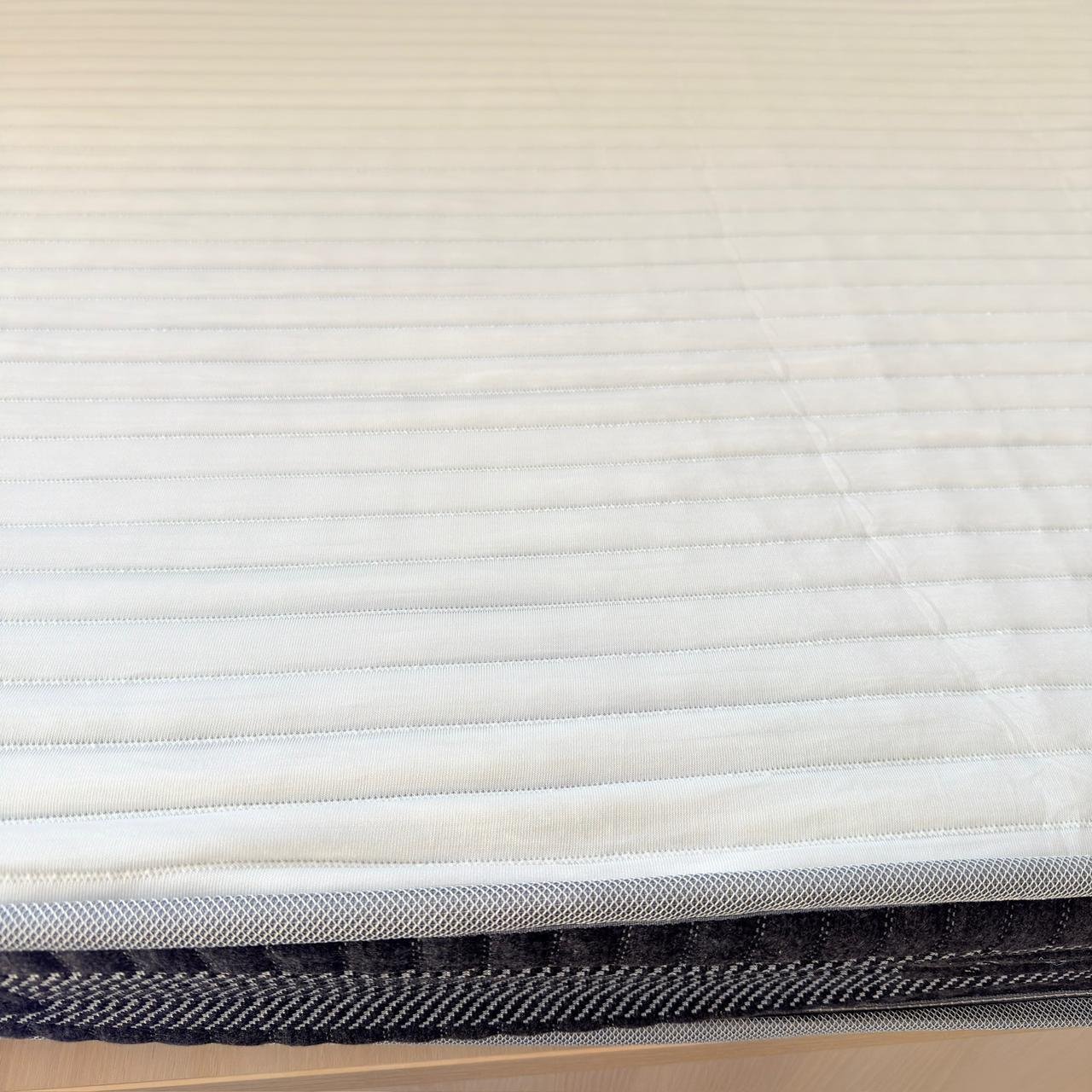
Investing in a new bed is one of the most important decisions you can make for your health and daily energy. With endless choices on the market, finding the best quality mattress isn't about buying the most expensive model available—it is about finding the precise construction that supports your spine, regulates temperature, and matches your body weight and preferred sleeping position.
To help you navigate your options, this guide breaks down what actually determines mattress quality, how the top core materials perform, and how to choose the right fit for your home.
What Defines the Best Quality Mattress?
A high-grade bed relies on premium engineering beneath the surface cover. Before comparing materials, evaluate these four structural benchmarks:
· High-Density Core: Lower-grade foams and thin wire coils break down quickly, leading to body impressions and sagging. High-density base foams and heavy-gauge steel coils retain structural integrity for years.
· Targeted Spinal Alignment: The best mattresses keep your head, neck, and lower back aligned in a neutral position regardless of whether you sleep on your side, back, or stomach.
· Temperature Regulation: High-performance designs incorporate open-cell structures, breathable natural fibers (like wool or organic cotton), or cooling gel layers to prevent heat trapped near your body.
· Motion Isolation: A quality construction absorbs weight shifts, ensuring you aren't disturbed when a partner or pet moves during the night.
Sleep Tip: A mattress that is too firm can create painful pressure points on your shoulders and hips, while one that is too soft allows your midsection to sink, causing lower back strain. "Quality" always means the right balance of contouring and support for your frame.
Comparing Core Mattress Materials
Different construction types offer distinct feels and physical benefits. Here is how the most popular options stack up:
1. Hybrid Mattresses (Best Overall Balance)
Hybrid designs layer pocketed steel coils underneath comfort layers made of memory foam, latex, or transitional foam.
· Why It’s High Quality: Individually wrapped coils move independently to contour around your body while maintaining exceptional edge support and airflow.
· Best For: Couples, combination sleepers, and anyone wanting a balance of pressure-relieving foam and supportive bounce.
2. Natural Latex Mattresses (Best for Durability and Eco-Friendliness)
Derived from the sap of rubber trees, organic Dunlop or Talalay latex offers a resilient, responsive feel.
· Why It’s High Quality: Natural latex is naturally hypoallergenic, breathable, and exceptionally durable, frequently lasting 12 to 15 years without sagging.
· Best For: Hot sleepers, eco-conscious buyers, and sleepers who prefer a lifted "floating" feel rather than a deep sink-in hug.
3. High-Density Memory Foam Mattresses (Best for Pressure Relief)
Memory foam adapts directly to your body's heat and weight, distributing pressure evenly across the surface.
· Why It’s High Quality: Advanced, open-cell viscoelastic foams relieve tension around sensitive joints and provide unmatched motion isolation.
· Best For: Side sleepers needing deep cushioning for hips and shoulders, as well as light sleepers easily woken by movement.
Matching Firmness to Your Sleep Style
Even the best quality mattress will feel uncomfortable if the firmness level does not suit your body mechanics:
· Side Sleepers (Medium to Medium-Soft): Require cushioning layers that allow the shoulders and hips to sink in comfortably without throwing the spine out of line.
· Back Sleepers (Medium-Firm): Benefit from a balanced surface that fills the gap in the lumbar curve while offering uniform support.
· Stomach Sleepers (Firm): Need a firmer structure to keep hips elevated and prevent arching in the lower back.
Essential Steps Before Making Your Purchase
To protect your investment and make sure you select the best quality mattress for your routine, keep these quick guidelines in mind:
· Check the Trial Period: Quality brands generally offer a 100-night to 365-night home trial, as it takes your body 3 to 4 weeks to fully adjust to a new surface.
· Verify Core Warranties: Look for non-prorated warranties lasting 10 years or longer, which cover manufacturing defects and deep sagging.
· Pair with Proper Support: Ensure your bed frame or foundation matches the mattress requirements—slatted bases should have slats no more than 3 inches apart to keep modern foam and hybrid designs from sagging.
By focusing on durable inner materials, proper firmness alignment, and breathable fabrics, you can confidently invest in a setup that delivers restorative rest night after night.
Categorii
Citeste mai mult
There is no single honest answer to how long a phone should last, and anyone giving a flat number like "two years" or "five years" is oversimplifying a question that actually depends on several separate factors working together. Battery chemistry, software support policies, physical durability, and how a specific person actually uses their phone all play a role, and understanding each of them...

Jewellery has always been a symbol of elegance, love, and personal expression. Among all jewellery pieces, a diamond necklace holds a special place because of its timeless charm and luxurious appeal. At Michael Trio, customers can explore a beautiful collection of Diamond Necklace Malaysia designs created to celebrate precious moments and enhance every style. Whether you are searching for a...

A garage door opener can burn out in seconds because of one small mistake during spring replacement. Most homeowners think a broken spring is the whole problem. It isn't. The real damage often starts when someone tries to fix the spring without understanding how the rest of the system works together. That single oversight ends up costing far more than the spring itself. Why People Mess Up...

The cryptocurrency market has changed significantly over the past few years, attracting beginners, experienced traders, and investors looking for better ways to understand digital assets. With thousands of cryptocurrencies, complex market cycles, and rapidly evolving technologies, many people are turning toward structured education platforms and online communities to improve their knowledge...

Images are used everywhere. They appear on business cards, banners, signs, T-shirts, product labels, and websites. However, not every image is ready for professional printing. Small image files often become blurry when enlarged. This is why many designers and businesses convert their artwork into vector files before printing. A high-quality vector file stays sharp at any size and gives much...
