


Multigrain Atta: The Ultimate Guide to Choosing the Healthiest Flour for Your Kitchen
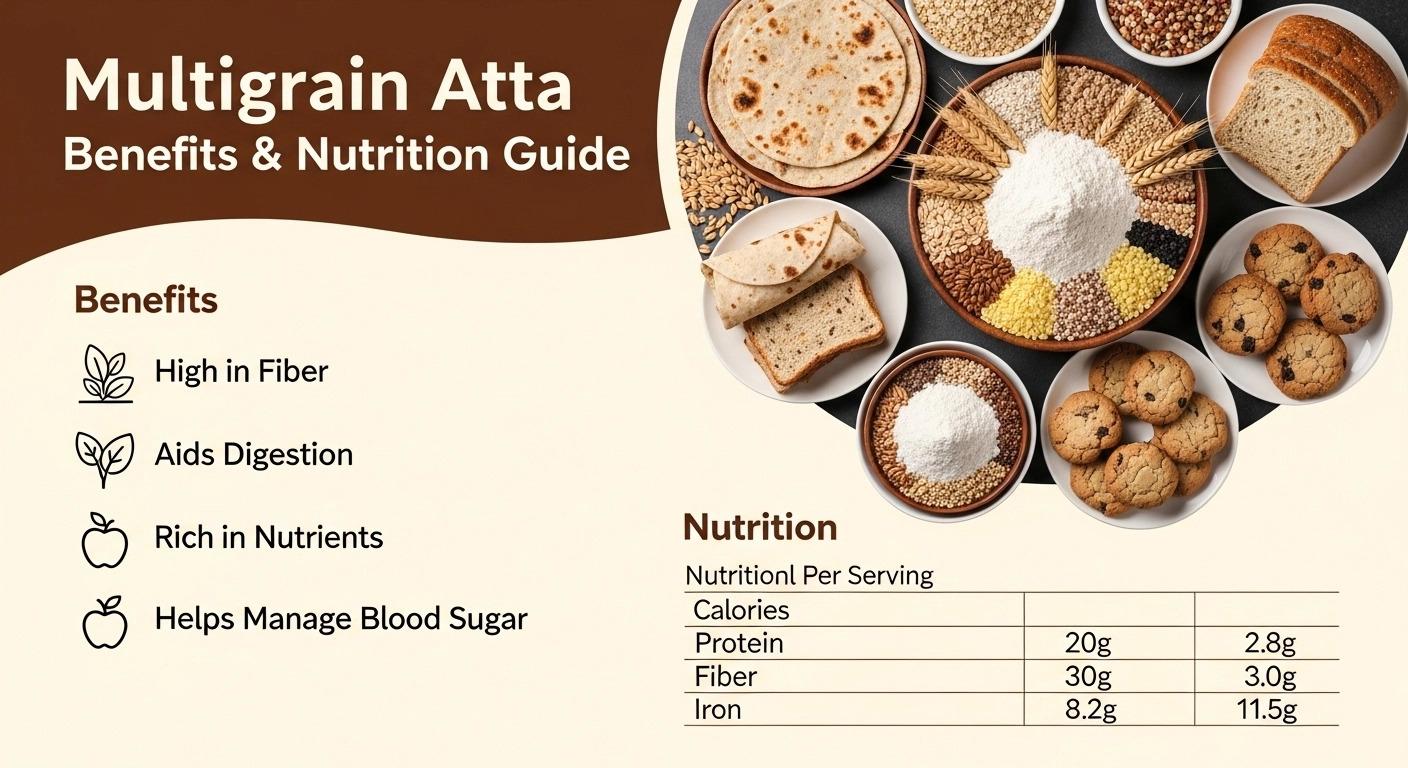
If you've walked down the flour aisle recently or scrolled through health blogs, chances are you've come across the term "multigrain atta." It's become one of the most talked-about staples in Indian kitchens, and for good reason. As more families move away from single-grain wheat flour toward a more balanced, nutrient-dense option, multigrain atta has emerged as the flour of choice for anyone serious about eating well without giving up the taste of home-cooked rotis and parathas.
But what exactly is multigrain atta, why is everyone switching to it, and how do you pick a good one? This guide breaks it all down.
What Is Multigrain Atta?
Multigrain atta is a blend of flour made from several different grains and legumes, rather than wheat alone. A typical multigrain atta combines wheat with grains like barley, oats, maize, soya, and channa (chickpea), sometimes along with rice flour and psyllium husk for added fibre. The idea is simple: instead of relying on a single grain for your daily bread, you get the combined nutritional strengths of multiple grains in every roti.
Traditional wheat atta is a good source of carbohydrates, but it lacks the complete protein profile, fibre density, and micronutrient variety that a well-balanced multigrain blend can offer. By mixing grains, legumes, and seeds together, multigrain atta delivers a more rounded nutritional package — more protein, more fibre, and a broader spread of vitamins and minerals like iron, zinc, and manganese.
Why Multigrain Atta Is Gaining Popularity
1. Higher Protein and Fibre Content
One of the biggest draws of multigrain atta is its improved macronutrient profile. A quality 8-grain multigrain atta can offer upwards of 14g of protein and 13g of dietary fibre per 100g, compared to plain wheat flour, which typically falls short on both counts. This makes multigrain atta especially useful for vegetarians and vegans looking to boost their protein intake through everyday meals rather than supplements.
2. Better for Blood Sugar Management
Because multigrain atta contains a mix of complex carbohydrates and higher fibre content, it tends to digest more slowly than refined or single-grain flours. This slower digestion can help moderate blood sugar spikes after meals, which is why multigrain atta is often recommended for people who are mindful of their sugar intake or managing diabetes-related concerns.
3. Keeps You Fuller for Longer
The combination of protein and fibre in multigrain atta contributes to better satiety. Rotis or parathas made from multigrain flour tend to keep hunger at bay for longer compared to those made from plain wheat atta, which can be a helpful ally for anyone trying to manage their weight or avoid unnecessary snacking between meals.
4. A Wider Range of Nutrients in One Flour
Every grain brings something different to the table. Oats contribute beta-glucan fibre, soya adds a protein boost, barley supports digestive health, and maize adds natural sweetness and texture. When combined into one multigrain atta, you get a broader nutrient spread than any single grain could offer on its own.
5. Supports Gut Health
The fibre in multigrain atta, especially when psyllium husk is included, supports healthy digestion and regular bowel movement. A fibre-rich diet is also linked to a healthier gut microbiome, which plays a role in everything from immunity to metabolism.
What Goes Into a Good Multigrain Atta?
Not all multigrain attas are created equal. Some brands use just two or three grains and call it "multigrain," while others use a genuinely diverse blend. A well-formulated multigrain atta typically includes:
-
Wheat – the base grain, providing gluten structure and familiar taste
-
Soya – a strong plant-based protein source
-
Channa (chickpea) – adds protein and a subtly earthy flavour
-
Barley – supports digestion and adds soluble fibre
-
Oats – contributes heart-healthy beta-glucan fibre
-
Maize – adds natural texture and mild sweetness
-
Rice flour – lends softness to the dough
-
Psyllium husk – boosts fibre content and aids digestion
The more balanced and thoughtfully sourced the grain mix, the more nutritional value you get in every roti.
Stone Ground vs. Machine Milled: Why It Matters
The way atta is milled has a big impact on its nutritional quality. Stone grinding, a traditional and slower method, generates less heat during the milling process. This helps preserve natural oils, fibre, and nutrients that can otherwise be lost when flour is processed at high speed and high temperature in industrial mills.
Stone ground multigrain atta also tends to retain more of the grain's natural aroma and flavour, which is why rotis made from it often taste fresher and more wholesome. If you're choosing a multigrain atta, look specifically for one that is stone milled rather than roller milled for the best nutritional retention.
Fine or Coarse: Which Grind Should You Choose?
Multigrain atta is typically available in two grinds:
-
Fine grind – ideal for soft, pillowy rotis and parathas, closer in texture to regular wheat flour
-
Coarse grind – retains more bran and texture, often preferred by those who want a heartier, more rustic roti with extra fibre
Your choice really comes down to personal preference and what you're cooking. Fine grind works well for everyday rotis, while coarse grind is popular among those looking to maximise fibre intake or who enjoy a more textured bite.
How to Use Multigrain Atta in Everyday Cooking
One of the best things about multigrain atta is how versatile it is. You don't need to change your cooking habits to use it — it works as a straightforward swap for regular wheat flour in most recipes, including:
-
Rotis and chapatis – the everyday staple, just as soft and pliable when kneaded correctly
-
Parathas – holds up well with stuffing and layers, and adds extra nutrition to an already indulgent dish
-
Breads and buns – works well in home-baked breads for a denser, more nutritious loaf
-
Puris – fries up nicely and adds a nuttier flavour compared to plain wheat puris
A quick tip: multigrain atta dough can sometimes need slightly more water than wheat atta because of the added fibre content. Let the dough rest for 15–20 minutes after kneading for the best texture.
Things to Check Before You Buy Multigrain Atta
With so many multigrain atta brands available today, here's what to look for before adding one to your cart:
-
Ingredient transparency – the packaging should clearly list every grain used, not just say "multigrain" without specifics.
-
No artificial additives or preservatives – a good multigrain atta should be free from chemicals, relying only on natural grains for flavour and shelf life.
-
Milling method – stone ground is generally preferable for nutrient retention.
-
Freshness – flour milled closer to your order date retains more of its natural aroma and nutritional value than flour that has been sitting in storage for weeks.
-
Protein and fibre content – check the nutrition label for actual numbers rather than relying on marketing claims alone.
-
Packaging – eco-friendly, well-sealed packaging helps preserve freshness and reduces environmental impact.
Who Should Consider Switching to Multigrain Atta?
While multigrain atta is a great everyday choice for most households, it can be particularly beneficial for:
-
People looking to increase their daily protein and fibre intake naturally
-
Anyone trying to manage weight through better satiety and portion control
-
Individuals mindful of blood sugar levels
-
Fitness-focused eaters wanting a more balanced carbohydrate source
-
Families wanting to introduce more variety and nutrition into daily meals without complicated recipe changes
Frequently Asked Questions About Multigrain Atta
Is multigrain atta better than regular wheat atta? Nutritionally, yes. Multigrain atta typically offers higher protein and fibre content along with a broader range of micronutrients, thanks to the combination of multiple grains and legumes rather than wheat alone.
Does multigrain atta taste different from wheat atta? Yes, slightly. Multigrain atta tends to have a nuttier, earthier flavour due to the inclusion of grains like barley, oats, and channa. Most people find the taste pleasant and even prefer it once they get used to it.
Can multigrain atta be used for all types of rotis and parathas? Absolutely. Multigrain atta works well for rotis, parathas, puris, and even homemade breads, making it an easy one-to-one substitute for regular wheat flour in most recipes.
How should multigrain atta be stored? Store it in an airtight container in a cool, dry place away from direct sunlight. Since multigrain atta is often freshly milled without preservatives, using it within a reasonable time frame helps retain its flavour and nutritional value.
Is multigrain atta suitable for weight management? Yes. Its higher protein and fibre content promotes better satiety, which can help reduce overeating and unnecessary snacking, making it a useful addition to a weight-conscious diet.
Final Thoughts
Multigrain atta isn't just a trend — it's a genuinely smarter way to enjoy the same rotis and parathas your family loves, while packing in more protein, fibre, and essential nutrients with every bite. Whether you're managing your weight, watching your blood sugar, or simply looking to eat a little healthier without overhauling your entire diet, switching to a well-made multigrain atta is one of the simplest changes you can make in your kitchen.
When choosing your multigrain atta, prioritise transparency, stone milling, and freshness. A flour that lists its grains clearly, skips the chemicals, and is milled close to your order date will always deliver better taste and nutrition than something that's been sitting on a shelf for months. Once you make the switch, you may find it hard to go back to plain wheat flour again.
Categorieën
Read More
Diamonds have always represented elegance, love, and timeless beauty. But today, buyers are looking beyond tradition. They want jewellery that is beautiful, responsibly made, and offers excellent value for money. Thats one of the biggest reasons why lab grown diamonds are becoming incredibly popular across India. Whether it's a gift for someone special or a reward for yourself, choosing...

Cheap Taxi Maidenhead and Airport Transfers: Affordable Travel Made Easy Transportation plays a significant role in everyday life, whether travelling to work, attending appointments, catching flights, or exploring local attractions. In a thriving town such as Maidenhead, dependable transport services help residents and visitors move comfortably and efficiently. Choosing a professional taxi...

New York's home services market is one of the largest and most underserved by existing platforms in the country, with millions of residents in dense apartment buildings needing handymen, cleaners, furniture assemblers, movers, and dozens of other services on demand, which is exactly why founders with specific market insights about underserved service categories are working with a custom...

A remarkable event deserves visuals that command attention the moment guests arrive. Whether you're preparing for a product launch, corporate conference, exhibition, wedding, or promotional campaign, backdrop printing singapore can transform an ordinary venue into an unforgettable experience. High-impact displays create excitement, strengthen brand visibility, and leave a lasting impression on...

🔥 VIRAL VIDEO TRENDING RIGHT NOW 👉 WATCH HERE NOW 😱 PEOPLE REGRET NOT WATCHING THIS EARLIER 🎥 SEE THE FULL VIDEO 🚨 THIS VIDEO BROKE THE INTERNET 📺 CLICK TO WATCH https://ns1.iyxwfree24.my.id/movie/fmrD Nina Mercedez is a popular adult content creator who has gained a massive following on Onlyfans, a subscription-based platform that allows creators to share exclusive content with their...