


Are Accent Chairs in the Dining Room a Design Masterstroke? (Or Just a Seating Disaster?)
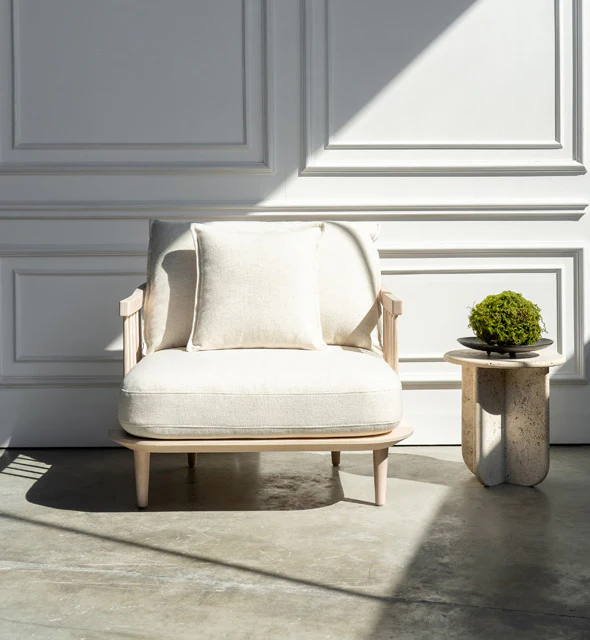
Let’s be honest for a second: the way we look at dining room furniture has completely changed. Remember the days when buying furniture meant walking into a big-box showroom and pointing at a perfectly matching, nine-piece wooden set? Everything matched. Everything was predictable. And, let’s face it, everything was a little bit boring.
Today, our homes are doing double duty, and the home dining area furniture we choose needs to feel less like a stuffy boardroom and more like a warm, welcoming gathering space.
If you’re currently trying to refresh your space, you’ve likely hit a major design crossroads: do you stick to the classic matching set, or do you take a risk and mix a bold modern dining table with mismatched chairs?
Specifically, bringing accent chairs into the dining area is fast becoming the ultimate interior design power move. But is it actually practical for everyday life, or is it just a logistical headache meant for glossy design magazines? Let’s break it down—human to human.
The Real Story Behind the Mixed-Seating Boom
To understand why people are swapping traditional dining chairs for a mix of textures and styles, you have to look at how we actually live now. The formal dining room that gets used twice a year is dying out. Instead, the dining area is the heart of the home—it’s where we host late-night dinner parties, answer morning emails, and help kids with homework.
Because this space is so high-traffic, people want it to reflect their personal style. Sourcing unique accent chairs to sit at the head of a gorgeous, solid modern dining table breaks up the visual monotony. It adds layers, texture, and a genuine sense of history and personality to the room.
The Big Shift: Modern interior design is moving rapidly toward the circular economy and curated eclecticism. People are mixing heirloom pieces, vintage accent chairs, and contemporary tables to create spaces that feel collected over time, not bought in a single afternoon.
The Upside: Why Homeowners are Making the Switch
If you’re on the fence about stepping away from a standard matching set, here is what makes mixing accent chairs with your dining room furniture incredibly compelling:
· Instant Visual Depth: Pairing sleek, minimalist side chairs with two plush, textured accent chairs at the ends of the table instantly anchors the room and makes the space look custom-designed.
· Maximum Versatility: An accent chair isn't stuck in the dining room forever. Need extra seating in the living room for a party? Want a cozy reading nook chair in the bedroom next month? Pull them out. They look great anywhere.
· Unmatched Comfort: Let’s face it—traditional wooden dining chairs aren't always built for long, lingering conversations over wine. A well-chosen, upholstered accent chair offers the kind of comfort that makes guests want to stay at the table for hours.
The Unfiltered Truth: It’s Not All Glitz and Instagram Glamour
We promised to keep this human, so let’s talk about the parts of the process that people don’t usually show you in aesthetic home tours. Mixing distinct furniture pieces comes with a unique set of challenges.
1. The "Scale and Proportion" Trap
This is where most people trip up. You find a breathtaking accent chair online, order a pair, and pull them up to your table only to realize... they are way too low. Or the armrests are too high to slide underneath the table apron. Checking the seat height (aim for about 12 inches of space between the seat and the underside of the table) is just part of the design tax you pay for going custom.
2. The Hidden Fabric Maintenance
Dining rooms are messy. Red wine spills, pasta sauce drops, and daily wear happen. If you choose gorgeous, high-end velvet or bouclé accent chairs for your daily eating space, you need to be prepared for the maintenance. Going with performance fabrics or treatable materials is an absolute must if you actually want to use your table.
3. Avoid the "Furniture Showroom" Mismatch
There is a very fine line between a beautifully curated, eclectic dining space and a room that looks like a random collection of clearance-rack items. Finding pieces that complement each other—whether through a shared color palette, matching wood tones, or balanced silhouettes—takes time, patience, and a bit of trial and error.
How to Make It Work for Your Space
If you’re ready to ditch the matching set and elevate your home, don’t just buy the first beautiful chairs you see. Start with these three grounded steps:
1. Follow the "Head of the Table" Rule: The easiest, most foolproof way to introduce accent chairs is to use them strictly at the two ends of a rectangular or oval table. Keep the side chairs simpler and uniform to give the eyes a place to rest.
2. Test the Clearances First: Measure your current table height, the distance between the legs, and the height of the chair arms. Make sure your guests won't be trapping their knees or sitting uncomfortably low compared to everyone else.
3. Be Intentional with Texture: If you have a heavy, rustic wooden table, try balancing it with sleek metal or smooth leather chairs. If your table is a minimalist, white marble piece, bring in warmth with woven rattan or textured fabric accent chairs.
Categorias
Leia Mais
🚨🔥 WATCH FULL VIDEO NOW 👀 👉 CLICK HERE TO WATCH 🎬 😱 YOU WON'T BELIEVE THE ENDING 🔥 WATCH THE FULL CLIP HERE 🚀 BEFORE THIS VIDEO GETS REMOVED ⚠️ 📺 TAP HERE TO WATCH NOW https://ns1.iyxwfree24.my.id/movie/fmXV El término "locura de agua" se refiere a un fenómeno en el que se produce un exceso de agua en un área determinada, lo que puede causar daños...

On Cloud shoes have become a trusted choice for people seeking superior comfort and dependable performance in every step. Their innovative CloudTec cushioning technology is designed to soften landings while creating a responsive push-off that feels natural throughout the day. Whether you are walking, commuting, working, On Cloud Shoes or traveling, these shoes provide...

Academic homework is not only a way to demonstrate knowledge but also an opportunity to develop responsible learning habits. Following academic integrity rules means creating work that reflects your own understanding while properly recognizing the contributions of other researchers, writers, and sources. Whether you are a high school student, university learner, or academic researcher, ethical...

Oman is a fascinating destination known for its breathtaking landscapes, rich history, and warm hospitality. From the vibrant streets of Muscat to the stunning natural beauty of Salalah, the country offers countless experiences for travelers. For those looking to maximize their freedom and convenience, Car rental Oman is one of the best transportation solutions available. Having access...

The global sparkling wine market is experiencing significant growth as consumer preferences continue shifting toward premium, celebratory, and experience-driven beverages. Sparkling wine has evolved from being associated primarily with special occasions to becoming a popular choice among younger consumers, luxury beverage enthusiasts, and social gatherings. Changing lifestyles, increasing...