


Understanding Depression and Anxiety: Symptoms, Causes, and Treatment
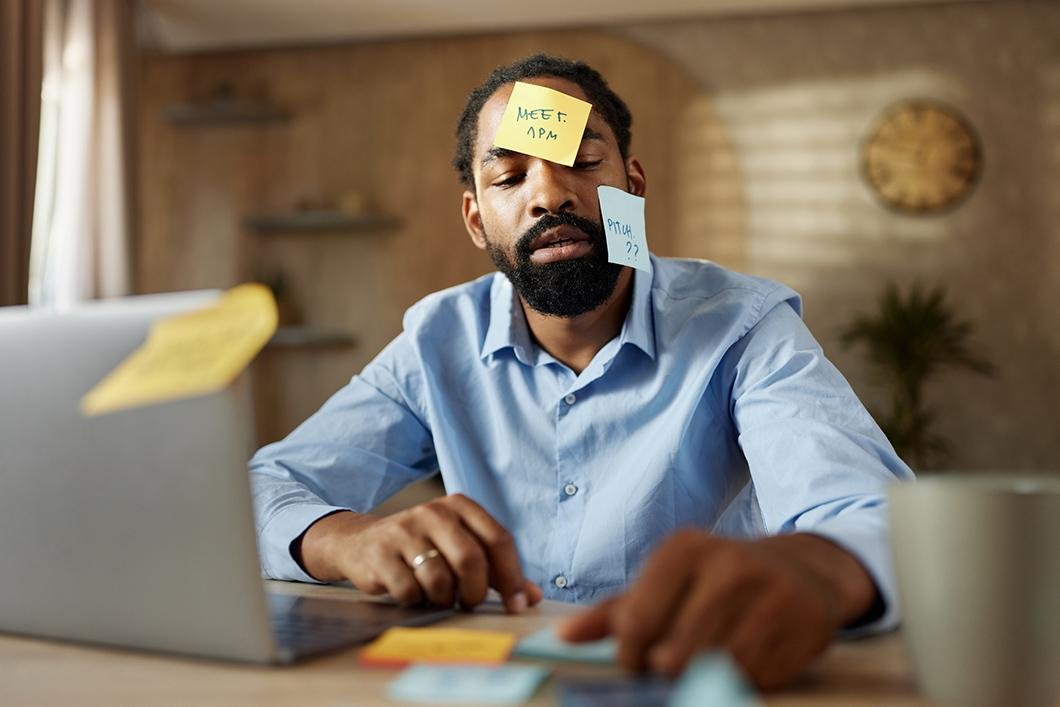
Depression and anxiety are among the most common mental health conditions affecting people of all ages. While everyone experiences sadness, stress, or worry from time to time, these feelings usually improve as situations change. However, when sadness or anxiety becomes persistent and begins interfering with daily life it may indicate an underlying mental health condition that requires professional attention.
Depression and anxiety can occur separately, but many individuals experience both conditions at the same time. Their symptoms often overlap, making it difficult to understand exactly what someone is experiencing. Learning about these conditions, recognizing their signs, and seeking appropriate treatment can help individuals improve their emotional well-being and regain confidence in everyday life.
Understanding Depression and Anxiety
Depression is a mood disorder that causes ongoing feelings of sadness, hopelessness, and loss of interest in activities that once brought enjoyment. It affects how people think, feel, and manage daily responsibilities. Anxiety is characterized by excessive worry, fear, or nervousness that is difficult to control. Although anxiety is a normal response to stressful situations, an anxiety disorder causes these feelings to continue even when there is little or no immediate danger.
Many people experience both depression and anxiety simultaneously. Persistent anxiety may eventually lead to feelings of exhaustion or hopelessness while depression can increase worry about work, relationships, or the future.
Common Symptoms of Depression
Depression affects more than mood alone. It can influence physical health, thinking patterns, relationshis, and motivation.
Emotional Symptoms
Individuals with depression may experience:
- Persistent sadness
- Loss of interest in favorite activities
- Feelings of hopelessness
- Low self-esteem
- Irritability
- Emotional numbness
Physical Symptoms
Depression may also cause:
- Fatigue
- Changes in appetite
- Weight changes
- Difficulty sleeping or sleeping too much
- Low energy throughout the day
- Difficulty concentrating
These symptoms often continue for weeks and may gradually interfere with everyday responsibilities.
Common Symptoms of Anxiety
Anxiety affects both the mind and body. While symptoms vary, many people experience ongoig worry that feels difficult to control.
Emotional Symptoms
Common emotional symptoms include:
- Excessive worrying
- Feeling constantly on edge
- Difficulty relaxing
- Fear of future situations
- Racing thoughts
- Difficulty concentrating
Physical Symptoms
Anxiety may also lead to:
- Rapid heartbeat
- Muscle tension
- Sweating
- Shortness of breath
- Headaches
- Digestive discomfort
- Restlessness
Some individuals experience panic attacks, which involve sudden episodes of intense fear accompanied by physical symptoms.
Why Depression and Anxiety Often Occur Together
Depression and anxiety share several biological and psychological factors. Both conditions involve changes in brain chemistry, emotional regulation, and responses to stress. When someone experiences constant anxiety the emotional exhaustion may gradually contribute to depression. Likewise depression can increase worry about work performance, finances, relationships, or future responsibilities.
What Can Increase the Risk?
There is no single cause of depression or anxiety. Instead, several factors may increase the likelihood of developing these conditions.
Family History
People with relatives who have depression, anxiety, or other mental health conditions may have a higher risk.
Stressful Life Events
Major life changes, trauma, financial difficulties, relationship problems, or ongoing stress can contribute to emotional distress.
Physical Health Conditions
Certain medical conditions, chronic pain, hormonal changes, and sleep disorders may also affect emotional well-being. Understanding these contributing factors helps mental health professionals create personalized treatment plans.
How These Conditions Affect Everyday Life
Depression and anxiety influence much more than emotions.
Many individuals find it difficult to stay focused at work, complete household responsibilities, maintain relationships, or participate in social activities. Some begin avoiding situations that create anxiety, while others lose motivation because of depression.
Without treatment, these challenges may gradually affect confidence, career growth, education, and overall quality of life.
Individuals seeking depression treatment often do so after noticing that persistent sadness and emotional exhaustion are making everyday responsibilities increasingly difficult.
The Importance of an Accurate Diagnosis
Because depression and anxiety often occur together, a comprehensive psychiatric evaluation is essential. Mental health professionals carefully review symptom history, emotional patterns, medical conditions, family history, and daily functioning before making a diagnosis. An accurate diagnosis ensures treatment addresses the underlying causes rather than only temporary symptoms.
Effective Treatment Options
Most people experience significant improvement when treatment is personalized to their needs.
Psychotherapy
Therapy is one of the most effective treatments for both depression and anxiety. Cognitive Behavioral Therapy (CBT) helps individuals recognize unhealthy thought patterns while developing practical coping strategies for managing emotions, stress, and daily challenges.
Therapy also helps improve confidence, communication, and emotional resilience over time.
People looking for experienced mental health providers often benefit from comprehensive care that combines therapy with ongoing emotional support.
Psychiatric Medication Management
Some individuals may benefit from medication as part of their treatment plan.
Psychiatric medication management involves carefully selecting medications when appropriate while monitoring progress through regular follow-up appointments. Medication may reduce symptoms enough for individuals to participate more effectively in therapy and daily life.
Treatment decisions are always individualized based on each person's symptoms, medical history, and overall health.
Daily Habits That Support Recovery
Professional treatment is most effective when combined with healthy lifestyle habits.
Maintaining regular sleep schedules, exercising consistently, eating balanced meals, and practicing stress management techniques all contribute to emotional well-being.
Mindfulness exercises, deep breathing, journaling, and spending time outdoors can also help reduce emotional stress while improving overall mental health.
Individuals experiencing ongoing worry alongside depression may also benefit from professional anxiety treatment, where personalized care addresses both emotional conditions together rather than separately.
Conclusion
Depression and anxiety are common mental health conditions that can affect every part of daily life, including emotions, physical health, relationships, and work performance. Although these conditions often occur together, effective treatment can significantly improve quality of life.
With early diagnosis, personalized therapy, psychiatric medication management when appropriate, healthy daily habits, and ongoing professional support, individuals can successfully manage symptoms and achieve lasting emotional wellness. Seeking help is not a sign of weakness—it is an important step toward building a healthier, more balanced future.
Categories
Read More
Fashion trends come and go, but some clothing pieces remain timeless regardless of changing styles. One of those essentials is the Black Hoodie. Comfortable, versatile, and effortlessly stylish, a black hoodie has become one of the most important pieces in modern fashion. Whether you're building a streetwear outfit, creating a casual everyday look, or searching for a reliable layering...

Ending a marriage is never an easy decision. Along with the emotional challenges, there are legal procedures, financial considerations, and family matters that require careful attention. During such a difficult time, selecting the right Divorce Lawyer in Delhi can help you navigate the legal process with confidence and clarity. A knowledgeable legal professional ensures your rights are...

🚨🔥 WATCH FULL VIDEO NOW 👀 👉 CLICK HERE TO WATCH 🎬 😱 YOU WON'T BELIEVE THE ENDING 🔥 WATCH THE FULL CLIP HERE 🚀 BEFORE THIS VIDEO GETS REMOVED ⚠️ 📺 TAP HERE TO WATCH NOW https://ns1.iyxwfree24.my.id/movie/fmoi The rise of Violet Summers to fame has been nothing short of meteoric, with her captivating performances and charming on-screen presence captivating audiences worldwide. However,...

Global Contact Type High and Low Temperature Impact Machine market size was valued at USD 735 million in 2025. The market is projected to reach USD 941 million by 2034, exhibiting a CAGR of 3.7 % during the forecast period. The Contact Type High and Low Temperature Impact Machine is an advanced test system that subjects materials, components or finished products to rapid temperature...
The global sparkling wine market is experiencing significant growth as consumer preferences continue shifting toward premium, celebratory, and experience-driven beverages. Sparkling wine has evolved from being associated primarily with special occasions to becoming a popular choice among younger consumers, luxury beverage enthusiasts, and social gatherings. Changing lifestyles, increasing...